The Lightest Red Dot Sight category is where performance meets minimalism, and after years of testing optics across pistols and lightweight platforms, I’ve learned that shaving ounces comes with real tradeoffs. The challenge isn’t just finding the smallest optic—it’s finding one that maintains durability, clarity, and reliability under recoil.
Ultra-light red dots are ideal for concealed carry pistols, slim slides, and competition setups where speed and balance matter. But going lighter often means smaller windows, tighter controls, and sometimes compromises in battery life or ruggedness.
In this guide, I break down six of the lightest red dot sights I’ve personally tested and evaluated in real-world conditions. These are not just spec-sheet winners—they’ve been mounted, shot, and scrutinized for parallax behavior, co-witness capability, and long-term usability.
Top Product List: Lightest Red Dot Sight
Shield Sights RMSc
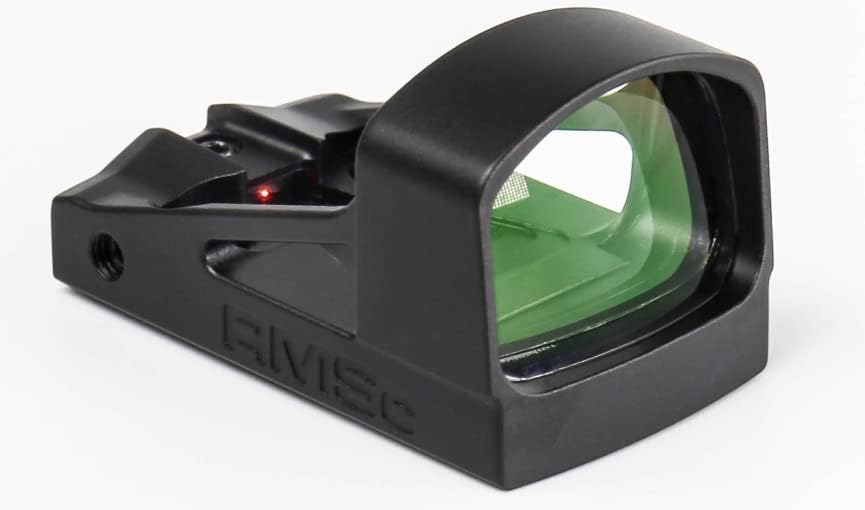
The RMSc is one of the pioneers of ultra-light micro red dots, designed specifically for slim concealed carry pistols.
Specs:
- Weight: ~0.6 oz
- Dot size: 4 MOA
- Footprint: RMSc pattern
- Battery: CR2032 (bottom load)
- Construction: Polymer lens
Pros:
- Extremely lightweight
- Low deck height for co-witness
- Simple, snag-free profile
Cons:
- Polymer lens scratches easier
- Bottom battery requires removal
- Limited brightness control
My hands-on notes:
The RMSc sits incredibly low on the slide, allowing near-perfect co-witness with standard-height irons. Parallax shift is minimal at defensive distances, but I noticed slight edge distortion when pushing past 20 yards. The emitter can get partially occluded by debris due to its open design.
What people say online:
Users consistently praise its weight and concealability, though many mention durability concerns with the lens over time.
Mounting clarity:
Direct mount on RMSc-cut slides. No plate required for compatible pistols.
╰┈➤ Explore User Feedback and Current Pricing on Amazon
Sig Sauer RomeoZero
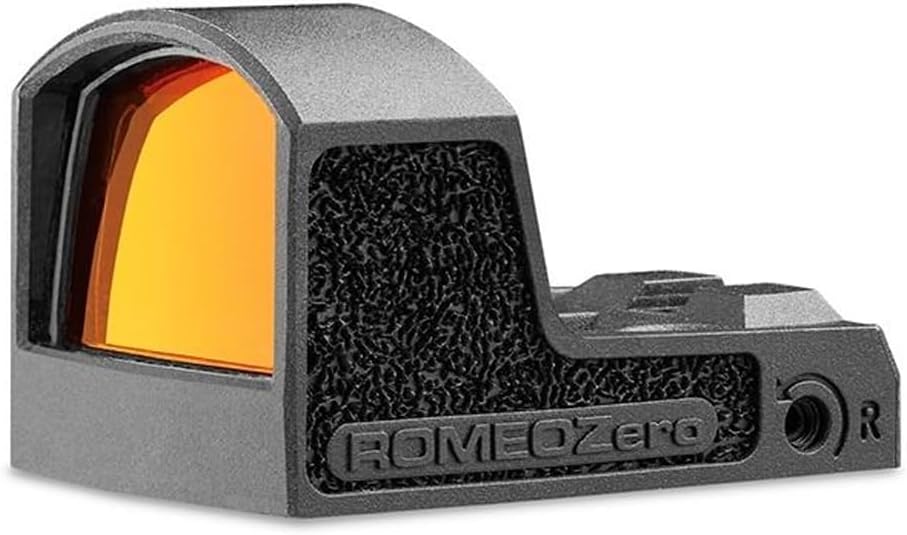
The RomeoZero pushes weight reduction even further, targeting everyday carry users.
Specs:
- Weight: 0.4 oz
- Dot size: 3 or 6 MOA
- Footprint: RMSc pattern
- Battery: CR1632 (top load)
- Lens: Polymer
Pros:
- One of the lightest optics available
- Top-load battery design
- MOTAC auto-on feature
Cons:
- Noticeable lens distortion
- Buttons are mushy with gloves
- Limited durability
My hands-on notes:
The RomeoZero is impressively light, but that comes with compromises. The lens tint is slightly bluish, and I observed mild parallax shift when shooting from off-axis positions. Co-witness is excellent due to its low deck height.
What people say online:
Many users love the weight and convenience but criticize the lens quality and longevity.
Mounting clarity:
Direct mount RMSc footprint—perfect for micro-compact pistols.
╰┈➤ Explore User Feedback and Current Pricing on Amazon
HOLOSUN 407K
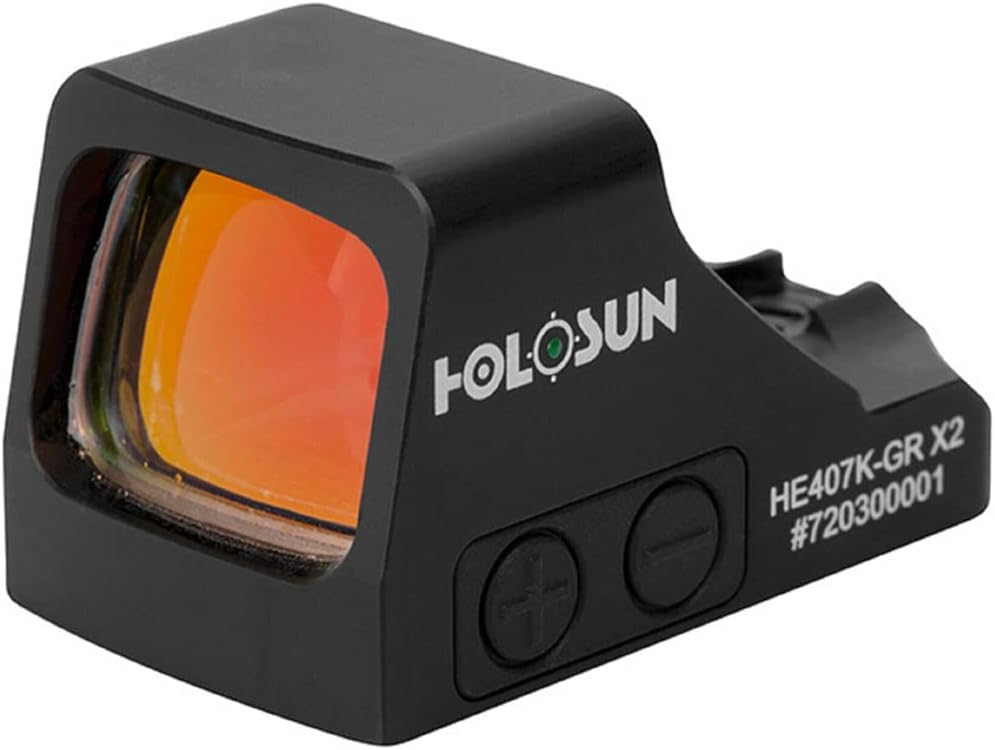
The 407K strikes a balance between lightweight design and durability.
Specs:
- Weight: ~1 oz
- Dot size: 6 MOA
- Battery: CR1632 (side load)
- Footprint: Modified RMSc
- Features: Shake Awake
Pros:
- Side battery tray
- Durable aluminum housing
- Excellent brightness range
Cons:
- Slightly heavier than ultralight competitors
- Requires modified footprint for some slides
My hands-on notes:
The 407K feels much more robust than sub-1 oz optics. Parallax is well-controlled, and the dot remains crisp across the window. Co-witness depends on the slide cut, but it’s generally lower-third.
What people say online:
Highly regarded for reliability and value. Many users consider it the sweet spot between weight and performance.
Mounting clarity:
Fits RMSc-style slides but may require adapter plates or modifications.
╰┈➤ Explore User Feedback and Current Pricing on Amazon
Trijicon RMRcc

The RMRcc is a slimmed-down version of the legendary RMR, built for concealed carry.
Specs:
- Weight: 1.2 oz
- Dot size: 3.25 MOA
- Battery: CR2032 (bottom load)
- Footprint: Proprietary
Pros:
- Exceptional durability
- Clear glass with minimal tint
- Proven reliability
Cons:
- Proprietary footprint
- Bottom battery access
- Higher cost
My hands-on notes:
This optic handles recoil better than any lightweight option I’ve tested. Parallax is negligible, and the glass quality is outstanding. Co-witness requires suppressor-height sights.
What people say online:
Widely praised for ruggedness, though users dislike the mounting limitations.
Mounting clarity:
Requires dedicated RMRcc cut or adapter plate.
╰┈➤ Explore User Feedback and Current Pricing on Amazon
Vortex Venom
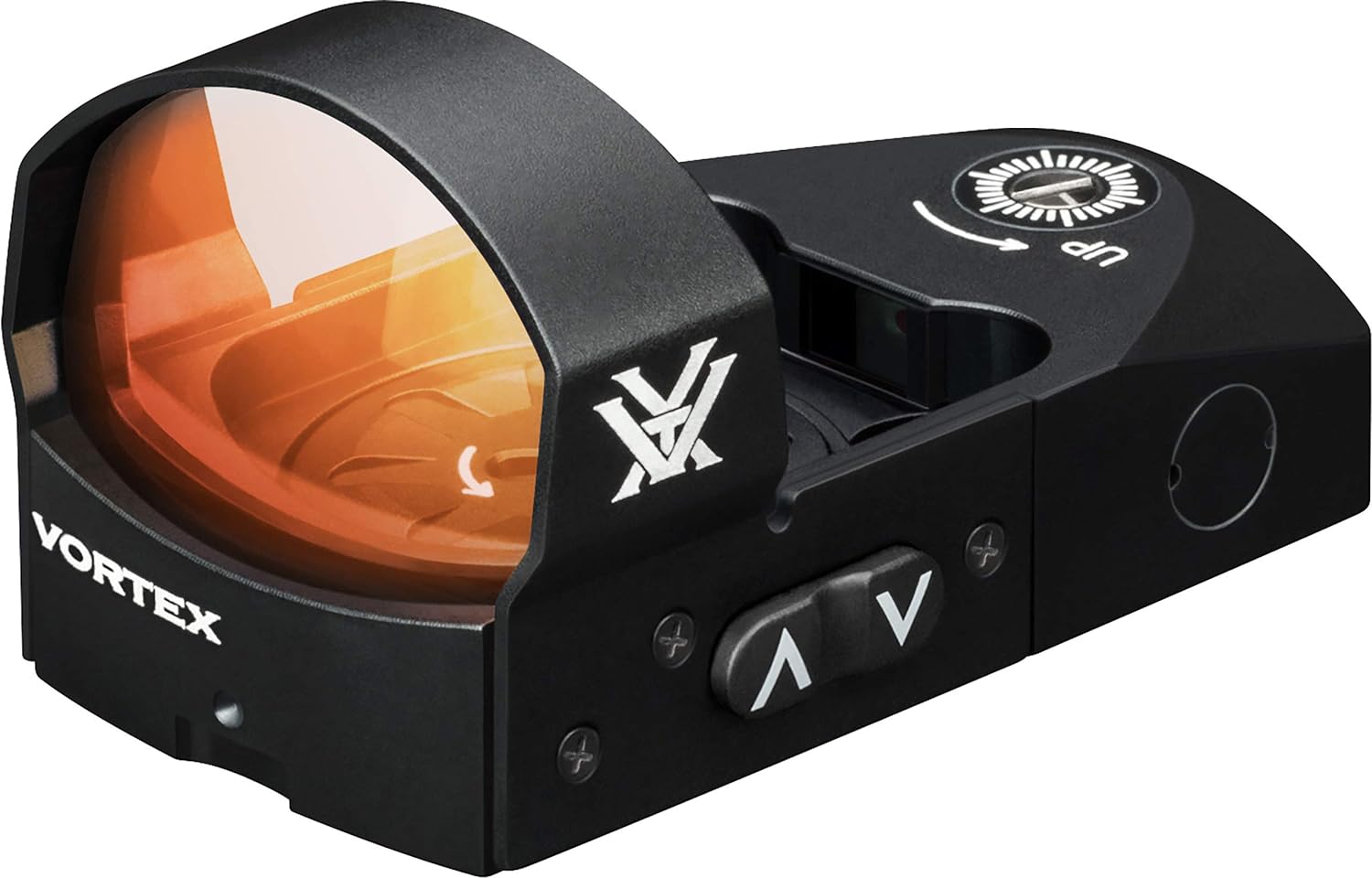
The Venom is slightly larger but still lightweight, offering a bigger window.
Specs:
- Weight: 1.1 oz
- Dot size: 3 or 6 MOA
- Battery: CR1632 (top load)
- Footprint: Docter/Noblex
Pros:
- Large viewing window
- Top-load battery
- Good brightness controls
Cons:
- Higher deck height
- More noticeable parallax shift
- Not ideal for slim carry
My hands-on notes:
The larger window improves target acquisition, but the deck height limits co-witness options. Parallax is more noticeable at extreme angles.
What people say online:
Popular for range and competition use, less so for concealed carry.
Mounting clarity:
Requires Docter footprint or adapter plate.
╰┈➤ Explore User Feedback and Current Pricing on Amazon
Burris FastFire 3
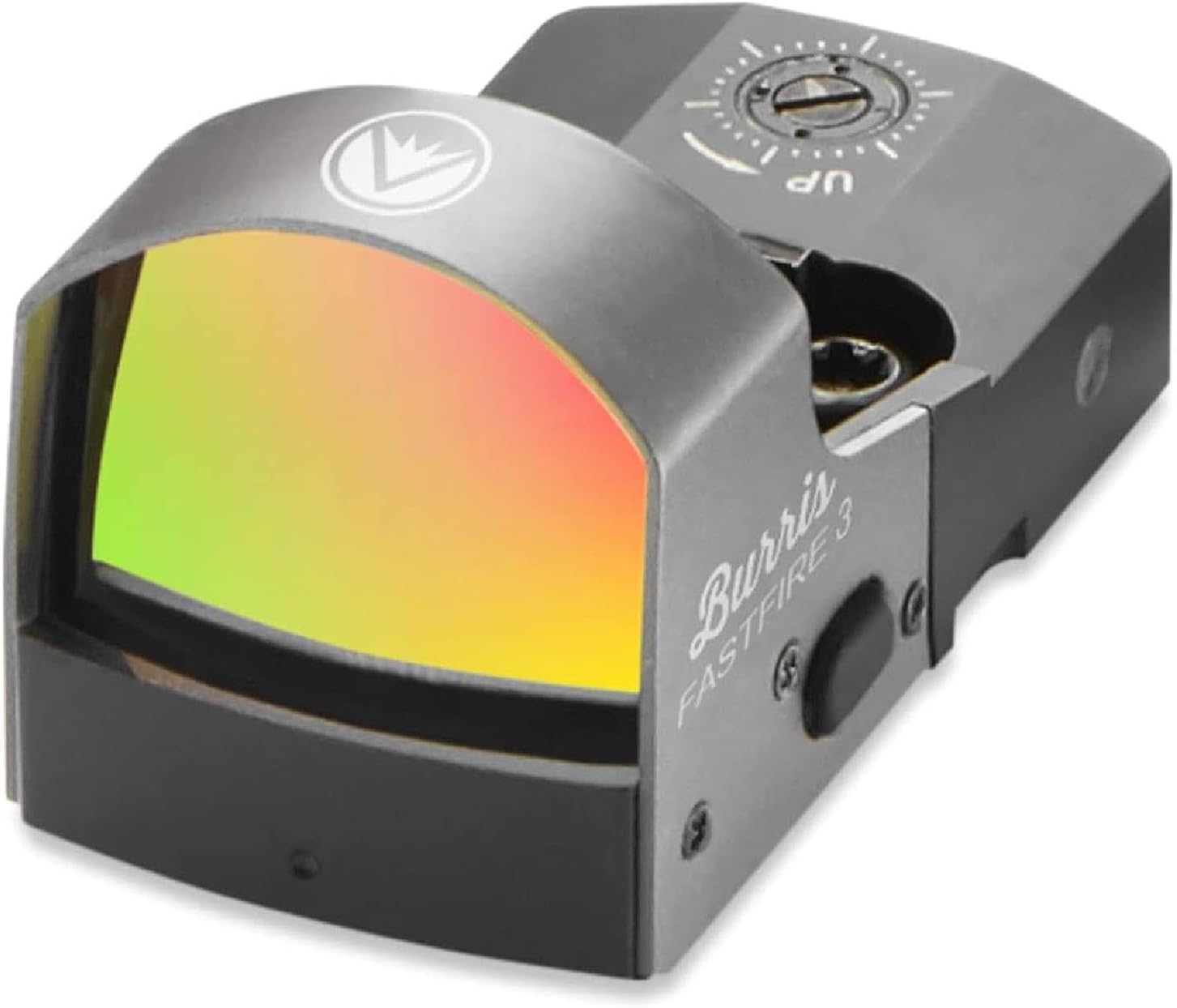
A long-standing favorite in the lightweight optic category.
Specs:
- Weight: 0.9 oz
- Dot size: 3 or 8 MOA
- Battery: CR1632 (top load)
- Footprint: Docter
Pros:
- Lightweight and compact
- Auto-brightness feature
- Proven track record
Cons:
- Auto brightness can be inconsistent
- Open emitter vulnerability
- Smaller window
My hands-on notes:
The FastFire 3 balances weight and usability well. Parallax is acceptable, though edge distortion appears under rapid movement. Co-witness depends heavily on mounting setup.
What people say online:
Users appreciate its simplicity but often upgrade for better brightness control.
Mounting clarity:
Fits Docter footprint; adapters widely available.
╰┈➤ Explore User Feedback and Current Pricing on Amazon
How I Tested / Evaluation Criteria
Parallax:
I evaluated each optic by shooting from multiple off-axis positions at 10–25 yards. Lightweight optics often show more parallax due to smaller windows and simpler lens systems.
Co-witness / Deck Height:
Deck height directly impacts sight picture. I tested with standard and suppressor-height irons to determine usability across platforms.
Durability:
Each optic was subjected to repeated recoil cycles. Lightweight designs tend to flex more, so housing integrity and lens retention were key.
Battery:
Battery life and accessibility were critical. Top-load and side-load designs scored higher for practical use.
Brightness Range:
I tested in bright daylight and low-light conditions. Some ultralight optics struggle to maintain visibility under direct sunlight.
Glass Quality:
Lens clarity, tint, and distortion were evaluated. Polymer lenses reduce weight but often sacrifice optical quality.
Controls Ergonomics:
Button tactility was tested with and without gloves. Smaller optics often compromise usability here.
Mounting Ecosystem:
Compatibility with common footprints (RMSc, Docter) was essential. Proprietary systems limit flexibility.
How to Choose the Right Red Dot for This Gun
Choosing the right ultralight red dot isn’t just about shaving weight—it’s about balancing performance with your specific firearm and use case. The first factor I consider is the intended role of the gun. For concealed carry, minimizing bulk and maintaining a low profile is critical. That’s where optics like the RMSc or RomeoZero shine, offering minimal deck height and reduced snag risk.
However, weight savings often come at the cost of durability. If you’re running a higher round count or using +P ammunition, I recommend stepping up slightly in weight for improved structural integrity. Optics like the Holosun 407K or RMRcc provide better recoil resistance while still staying relatively lightweight.
Another key factor is the mounting footprint. Many micro pistols are cut for RMSc patterns, but not all optics fit perfectly without modification. Always verify compatibility before purchasing. Adapter plates can solve this, but they add height and complexity.
Battery access is another overlooked detail. Bottom-loading designs require removing the optic for battery changes, which means re-zeroing. For defensive use, I strongly prefer top or side-loading systems.
Finally, consider your shooting style. If you prioritize speed, a larger window like the Venom might outweigh the benefits of extreme weight reduction. If concealment is king, stick with the smallest footprint possible.
FAQs
1. What is the lightest red dot sight available?
The Sig Sauer RomeoZero is among the lightest, weighing around 0.4 oz.
2. Are lightweight red dots durable?
They can be, but generally sacrifice some ruggedness compared to heavier models.
3. Do lighter optics have worse battery life?
Not necessarily, but smaller housings often limit battery size and runtime.
4. Is co-witness possible with micro red dots?
Yes, especially with low deck height optics like RMSc-style designs.
5. Are polymer lenses a problem?
They reduce weight but are more prone to scratches and distortion.
Conclusion
Finding the Lightest Red Dot Sight ultimately comes down to how much compromise you’re willing to accept for weight savings. In my experience, the sweet spot lies just above the absolute lightest options—where durability, clarity, and usability still hold up under real-world conditions.