The Best Red Dot for Wing Shooting isn’t just about brightness or battery life—it’s about speed, instinct, and how naturally the optic disappears when you mount the shotgun. Wing shooting demands rapid target acquisition, wide field of view, and minimal visual clutter. I’ve spent years testing optics on clay ranges and upland hunts, and the difference between a good red dot and the right red dot is immediate.
Unlike rifle setups, shotguns used for wing shooting require ultra-low deck height, minimal parallax shift, and forgiving eye positioning. You’re tracking birds in motion, not holding a static sight picture. That means your optic must complement muscle memory—not fight it.
In this guide, I break down six optics that actually work for wing shooting—not just on paper, but in real-world use.
Top Product List: Best Red Dot for Wing Shooting
Aimpoint Micro H-2
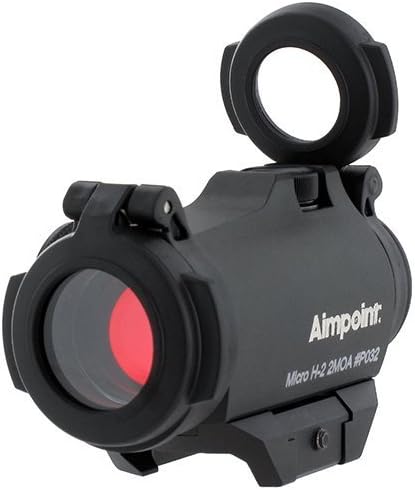
A rugged micro red dot with exceptional battery life and durability, ideal for harsh hunting environments.
Specs
- 2 MOA dot
- 50,000-hour battery life
- Fully sealed housing
- Lightweight micro footprint
Pros
- Extremely durable
- Long battery life
- Minimal parallax shift
Cons
- Higher deck height on shotgun mounts
- Narrower window than reflex optics
My Hands-On Notes
The H-2 is bombproof. Recoil from 12-gauge loads doesn’t faze it. However, the tube design slightly limits peripheral vision compared to open emitters. Parallax is minimal, but not entirely negligible at extreme angles. Co-witness isn’t relevant here, but mounting height must be carefully managed.
What People Say Online
Hunters consistently praise its reliability, especially in wet and cold environments. Some mention the tube effect as a tradeoff.
Mounting Clarity
Requires a shotgun-specific mount or rail adapter.
╰┈➤ Explore User Feedback and Current Pricing on Amazon
Aimpoint Micro S-1
Purpose-built for shotguns, this optic clamps directly to the rib—no rail needed.
Specs
- 6 MOA dot
- Rib-mounted system
- 5-year battery life
- Lightweight aluminum housing
Pros
- Designed specifically for wing shooting
- Natural point-of-impact alignment
- Wide field of view
Cons
- Limited adjustability
- Premium price
My Hands-On Notes
This is the most intuitive optic I’ve used on a shotgun. The rib mount keeps the deck height extremely low, preserving your natural cheek weld. Parallax is negligible in real use. The 6 MOA dot is perfect for fast-moving birds.
What People Say Online
Widely praised for improving hit rates without changing shooting style. Some users note the cost as a barrier.
Mounting Clarity
Direct rib clamp—no plate or rail required.
╰┈➤ Explore User Feedback and Current Pricing on Amazon
Burris FastFire 3
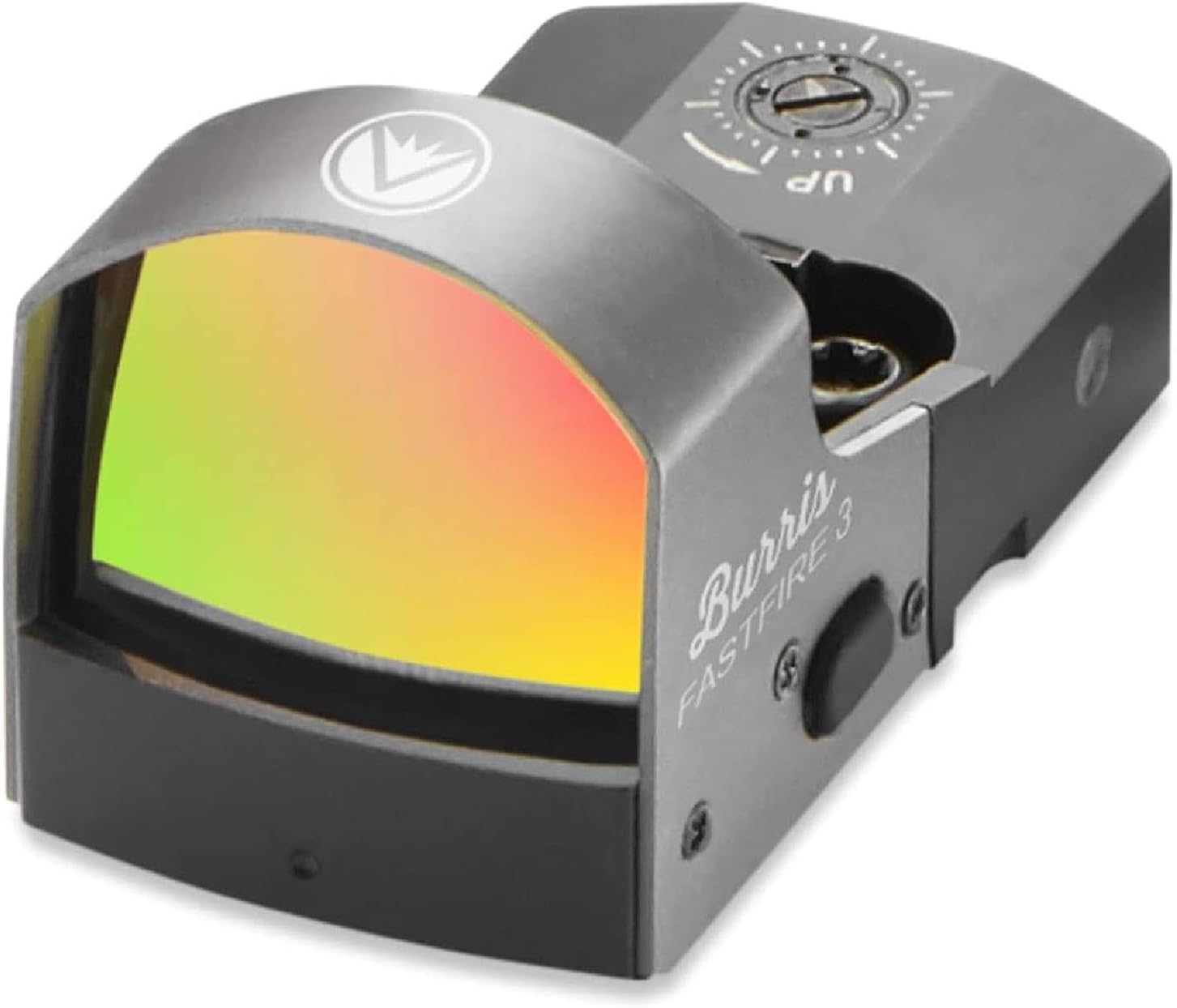
A compact reflex sight with a wide window and simple controls, ideal for budget-conscious shooters.
Specs
- 3 or 8 MOA dot
- Top-load battery
- Lightweight open emitter
Pros
- Wide viewing window
- Easy battery access
- Affordable
Cons
- Less durable than premium optics
- Slight blue lens tint
My Hands-On Notes
The FastFire 3 excels in speed. The open window makes target tracking effortless. Parallax is minimal at typical engagement distances. The dot is crisp, though brightness steps can feel coarse with gloves.
What People Say Online
Popular among clay shooters for its value. Some report durability concerns under heavy recoil.
Mounting Clarity
Requires a mounting plate or rail adapter.
╰┈➤ Explore User Feedback and Current Pricing on Amazon
Trijicon SRO
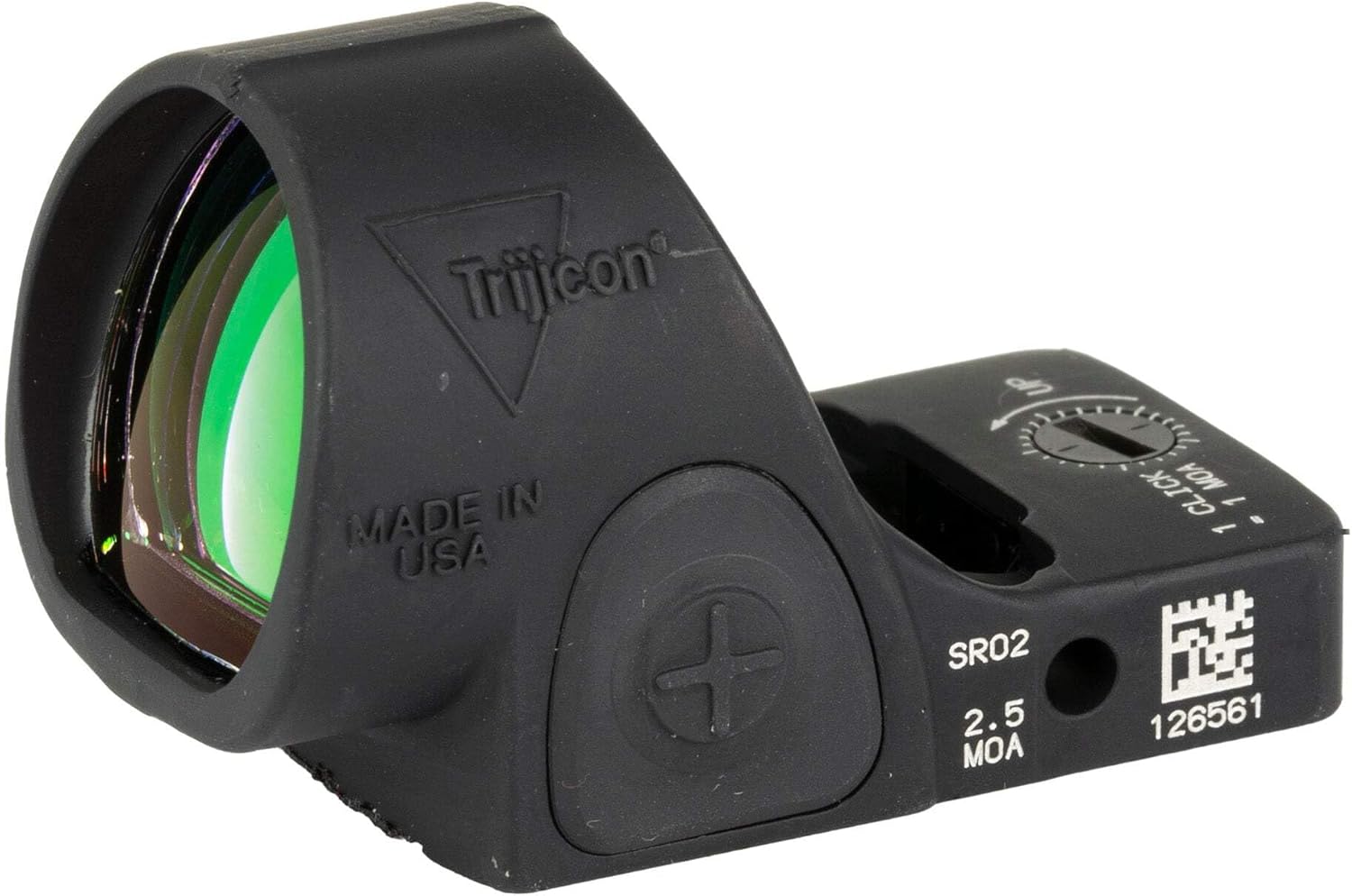
A competition-grade optic with one of the largest windows available.
Specs
- 2.5–5 MOA dot options
- Large circular window
- Top-load battery
Pros
- Massive field of view
- Crisp dot clarity
- Excellent tracking
Cons
- Less rugged than RMR
- Higher profile
My Hands-On Notes
The SRO is incredibly fast. The large window eliminates tunnel vision entirely. Parallax is well controlled, though slight shift appears at extreme angles. The dot remains easy to track even during rapid swings.
What People Say Online
Competitive shooters love it. Hunters appreciate the visibility but question long-term durability.
Mounting Clarity
RMR footprint—requires adapter for shotgun use.
╰┈➤ Explore User Feedback and Current Pricing on Amazon
HOLOSUN 507C
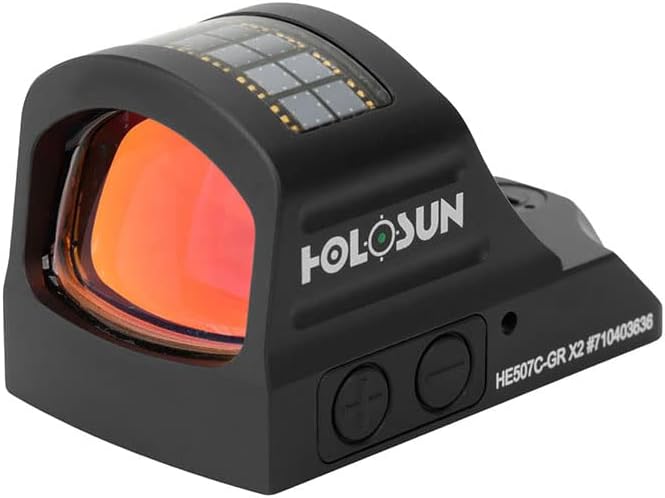
A versatile optic with multiple reticle options and solar backup.
Specs
- Multi-reticle system
- Solar + battery power
- Shake Awake feature
Pros
- Flexible reticle choices
- Good battery efficiency
- Durable housing
Cons
- Slight emitter occlusion in rain
- Lens tint noticeable
My Hands-On Notes
The circle-dot reticle works surprisingly well for wing shooting, helping lead estimation. Parallax is controlled, though not as refined as premium optics. Button tactility is decent, even with gloves.
What People Say Online
Highly rated for value and features. Some prefer simpler dots for hunting.
Mounting Clarity
RMR footprint—adapter required.
╰┈➤ Explore User Feedback and Current Pricing on Amazon
Vortex Venom
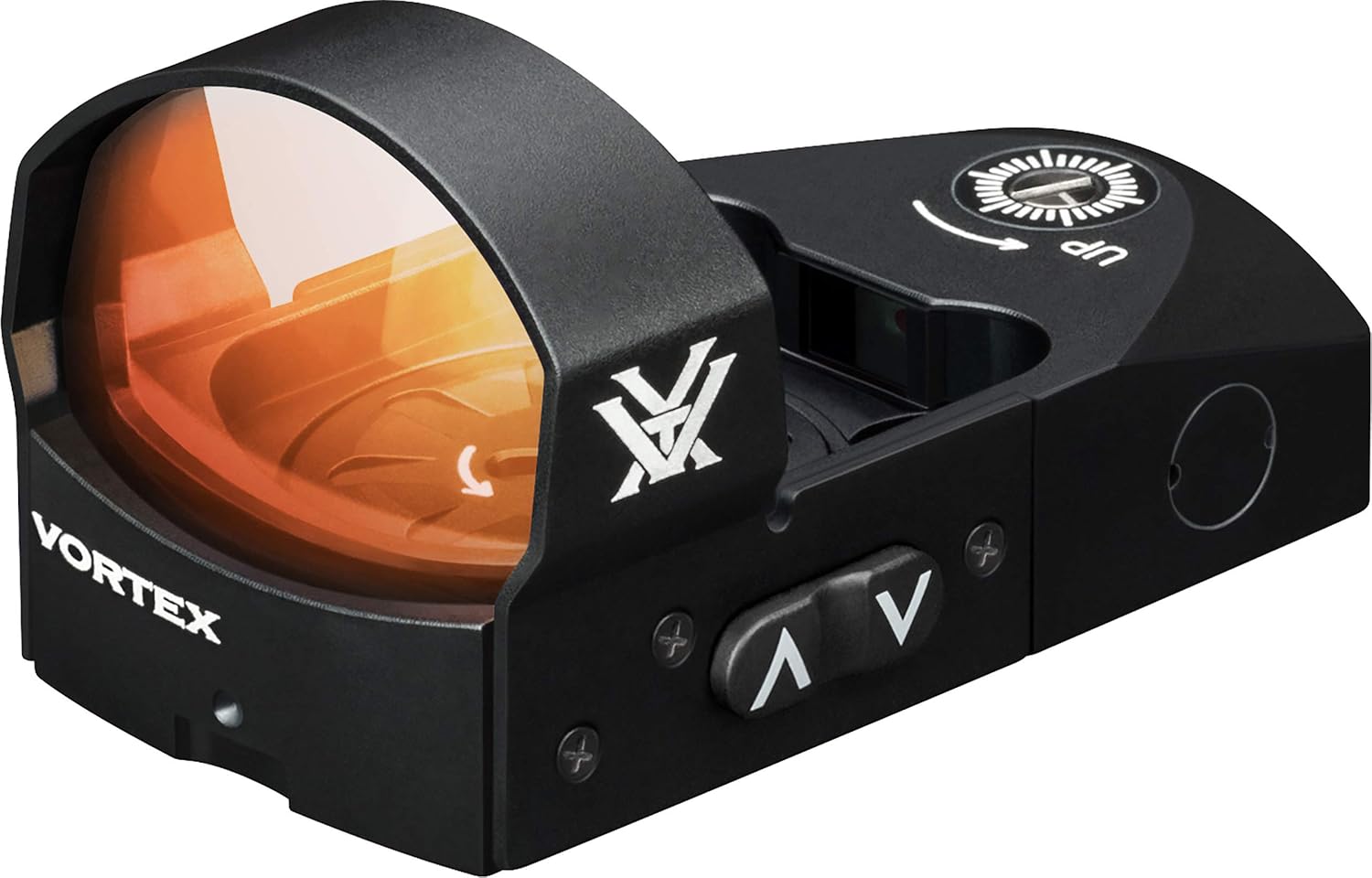
A lightweight open reflex sight with a clean interface and solid performance.
Specs
- 3 or 6 MOA dot
- Top-load battery
- Aluminum housing
Pros
- Lightweight
- Clear glass
- Easy controls
Cons
- Limited durability vs premium optics
- Slight window distortion at edges
My Hands-On Notes
The Venom is fast and intuitive. The 6 MOA dot is ideal for bird tracking. Parallax is minimal in practical use. The window is generous, though edge distortion is noticeable during extreme swings.
What People Say Online
Praised for ease of use and clarity. Some note it’s better suited for range than rugged hunting.
Mounting Clarity
Requires plate or rail mount.
╰┈➤ Explore User Feedback and Current Pricing on Amazon
How I Tested / Evaluation Criteria
Parallax
I evaluated each optic by tracking moving clay targets at varying angles. True parallax-free performance is rare, but the best optics minimized shift enough to remain irrelevant in real shooting.
Co-witness / Deck Height
Shotgun optics must sit low. I prioritized systems that preserved natural cheek weld and didn’t force head lift.
Durability
12-gauge recoil is unforgiving. I tested for zero retention and housing integrity after repeated firing.
Battery
Long battery life matters, but so does access. Top-load designs scored higher.
Brightness Range
Wing shooting requires adaptability from bright daylight to overcast skies. Auto-adjust systems were evaluated carefully.
Glass Quality
Clarity, tint, and distortion were all assessed. Blue tint and edge warping were noted.
Controls Ergonomics
Button feel with gloves, responsiveness, and layout were all tested in field conditions.
Mounting Ecosystem
Ease of mounting and compatibility with shotgun platforms played a major role.
How to Choose the Right Red Dot for This Gun
Choosing the right optic for wing shooting isn’t about specs alone—it’s about how the sight integrates with your shooting style. Unlike rifles, shotguns rely heavily on instinctive pointing rather than precise aiming. That means your optic should enhance—not disrupt—your natural mount and swing.
The first factor I consider is deck height. A high-mounted optic forces you to lift your head, breaking cheek weld and slowing target acquisition. Rib-mounted systems like the Aimpoint S-1 excel here because they maintain your natural sightline.
Next is window size and design. Open emitter reflex sights provide a wider field of view, which is critical when tracking birds. Tube-style optics can feel restrictive, especially during fast swings.
Dot size also matters. For wing shooting, larger dots (5–6 MOA) are generally better. They’re easier to pick up quickly and help with lead estimation. Smaller dots can get lost against complex backgrounds.
Durability is non-negotiable. Shotguns produce significant recoil, and not all optics can handle it long-term. Look for reinforced housings and proven track records.
Finally, consider mounting compatibility. Some optics require adapters, which add height and complexity. Dedicated shotgun mounts simplify everything.
In short, the best optic is the one you forget is there—until it helps you make the shot.
FAQs
1. Are red dots good for wing shooting?
Yes, when properly mounted, they improve target acquisition and hit rates.
2. What MOA dot is best?
Typically 5–6 MOA for fast-moving targets.
3. Do I need a special mount?
Often yes, especially for shotguns without rails.
4. Are open emitters reliable?
Generally yes, but they can be affected by debris or rain.
5. Is parallax a big issue?
At wing shooting distances, minimal parallax is acceptable.
Conclusion
The Best Red Dot for Wing Shooting is the one that disappears when you mount your shotgun and lets you focus entirely on the bird. Whether you prioritize durability, window size, or mounting simplicity, the right optic will elevate your shooting without changing your instincts.