The Best Red Dot for Walther Pdp Full Size is not just about brand reputation—it’s about matching the optic’s footprint, durability, and shooting characteristics to one of the most optics-ready pistols on the market. I’ve spent extensive time running different red dots on the Walther PDP Full Size, and the reality is this: not every optic performs equally well under recoil, nor does every window design complement the PDP’s ergonomics.
The PDP’s slide cut system and relatively tall sight plane reward optics with strong mounting interfaces, minimal parallax shift, and fast acquisition windows. In this guide, I’ll break down six of the most proven pistol red dots that truly pair well with the platform, based on hands-on shooting, mounting compatibility, and real-world feedback.
Top Product List: Best Red Dot for Walther Pdp Full Size
HOLOSUN 507C
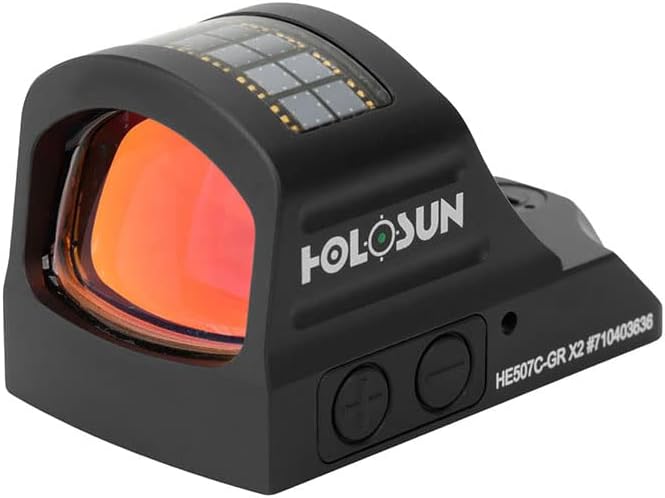
The 507C is one of the most balanced optics for the PDP, combining affordability with advanced reticle options.
Specs
- 2 MOA dot + 32 MOA circle
- Solar backup + battery
- RMR footprint
- Aluminum housing
Pros
- Multi-reticle system increases versatility
- Excellent battery life
- Side-loading battery tray
Cons
- Slight blue lens tint
- Buttons can feel mushy with gloves
My hands-on notes
On the PDP, the 507C sits low enough for a usable co-witness with suppressor-height irons. Parallax shift is minimal inside 15 yards, though slight edge distortion appears near the window perimeter. The emitter is partially exposed, so debris can occlude it if neglected.
What people say online
Shooters consistently praise its value and reliability, though some note the tint compared to premium optics.
Mounting clarity
Direct fit with Walther’s RMR plate system.
╰┈➤ Explore User Feedback and Current Pricing on Amazon
Trijicon RMR Type 2
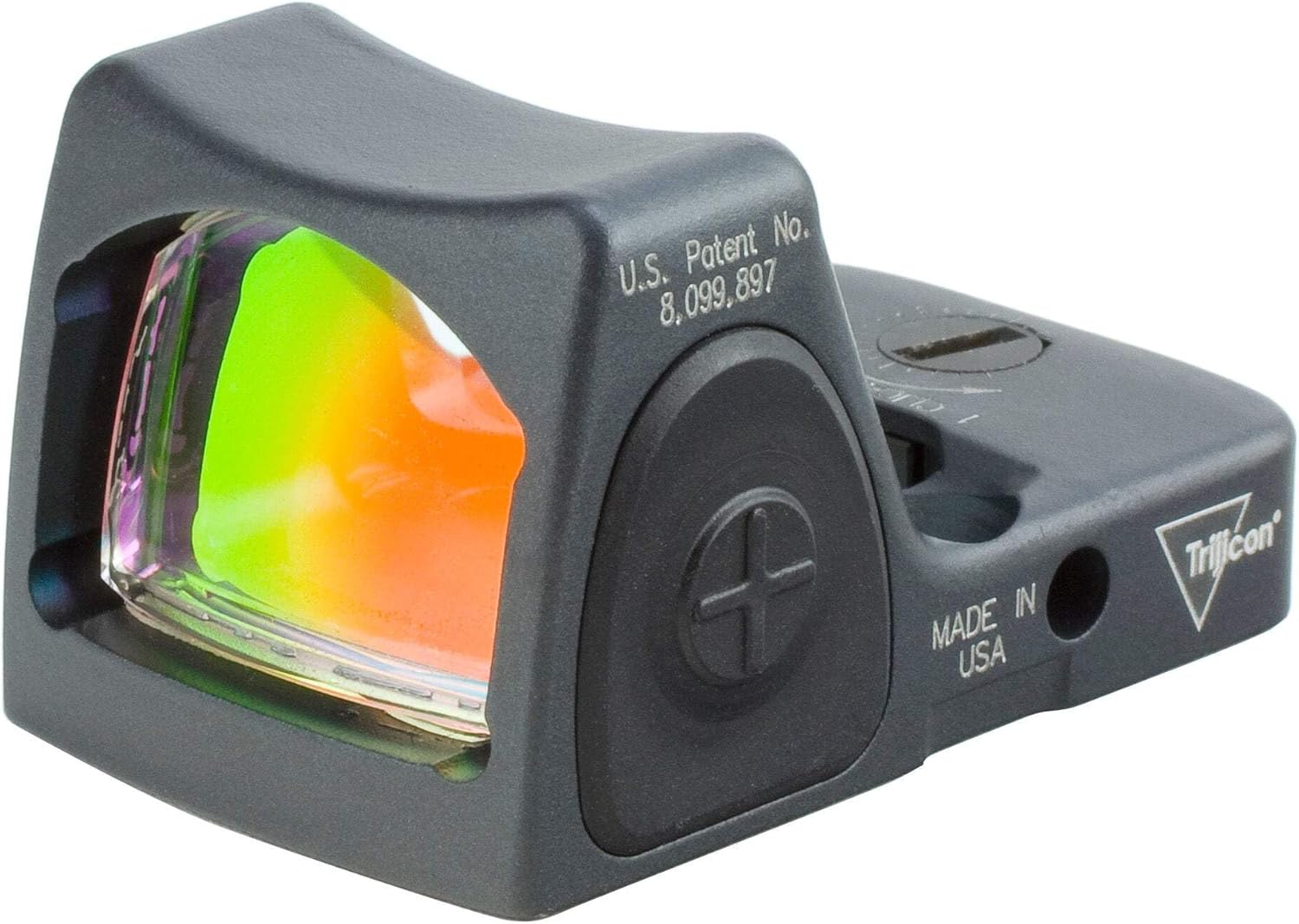
This is the durability benchmark for pistol red dots.
Specs
- 3.25 MOA dot
- Forged aluminum housing
- Top-tier sealing
- RMR footprint
Pros
- Industry-leading durability
- Proven track record
- Excellent recoil resistance
Cons
- Bottom battery design
- Smaller window
My hands-on notes
The RMR handles the PDP’s recoil impulse effortlessly. Parallax is well controlled, though the smaller window requires disciplined presentation. Co-witness is straightforward, but deck height is slightly higher than newer designs.
What people say online
Widely regarded as bombproof, though users criticize the battery access.
Mounting clarity
Direct mount via PDP RMR plate.
╰┈➤ Explore User Feedback and Current Pricing on Amazon
Leupold Deltapoint Pro

The DPP excels in speed thanks to its massive window.
Specs
- 2.5 MOA dot
- Motion sensor technology
- Large viewing window
- Proprietary footprint
Pros
- Huge field of view
- Crisp glass clarity
- Top-load battery
Cons
- Requires different plate
- Slightly bulky
My hands-on notes
This optic feels natural on the PDP. The window reduces perceived parallax error during rapid transitions. Co-witness requires taller irons due to deck height.
What people say online
Users love the window size but mention durability concerns compared to RMR.
Mounting clarity
Requires DPP-specific PDP plate.
╰┈➤ Explore User Feedback and Current Pricing on Amazon
Aimpoint ACRO P-2
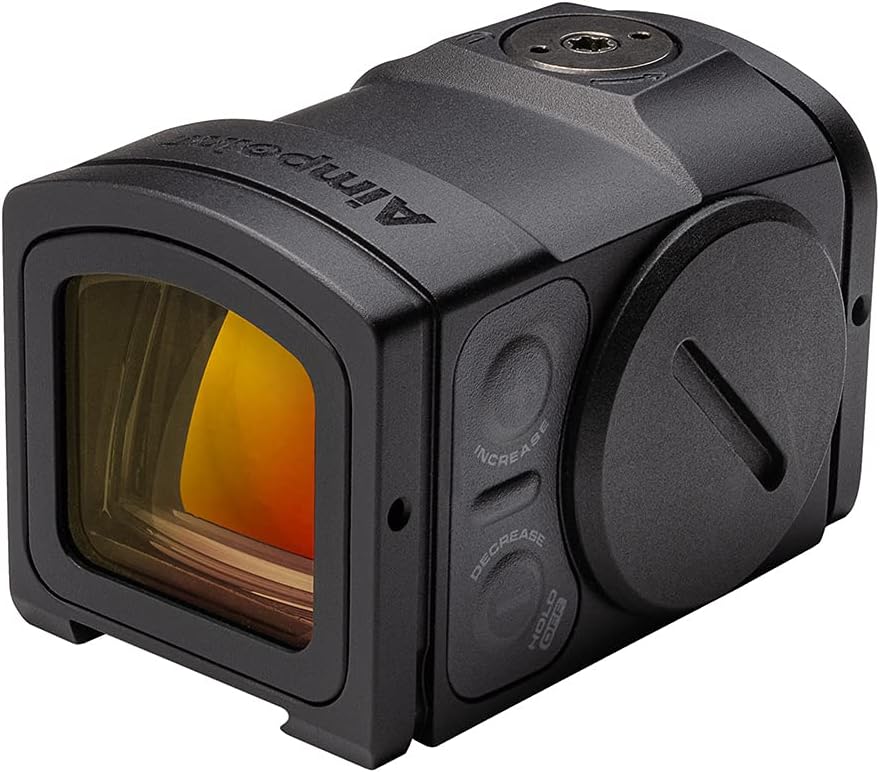
A fully enclosed optic built for extreme conditions.
Specs
- 3.5 MOA dot
- Enclosed emitter
- 50,000-hour battery
- Proprietary mounting
Pros
- Weatherproof sealed design
- No emitter occlusion
- Exceptional battery life
Cons
- Heavier than open emitters
- Smaller window
My hands-on notes
On the PDP, the ACRO P-2 eliminates emitter blockage entirely. Parallax is extremely well controlled. Co-witness depends on plate height, but generally requires suppressor sights.
What people say online
Highly respected for duty use, though some dislike the tunnel-like window.
Mounting clarity
Requires ACRO-compatible PDP plate.
╰┈➤ Explore User Feedback and Current Pricing on Amazon
HOLOSUN 508T
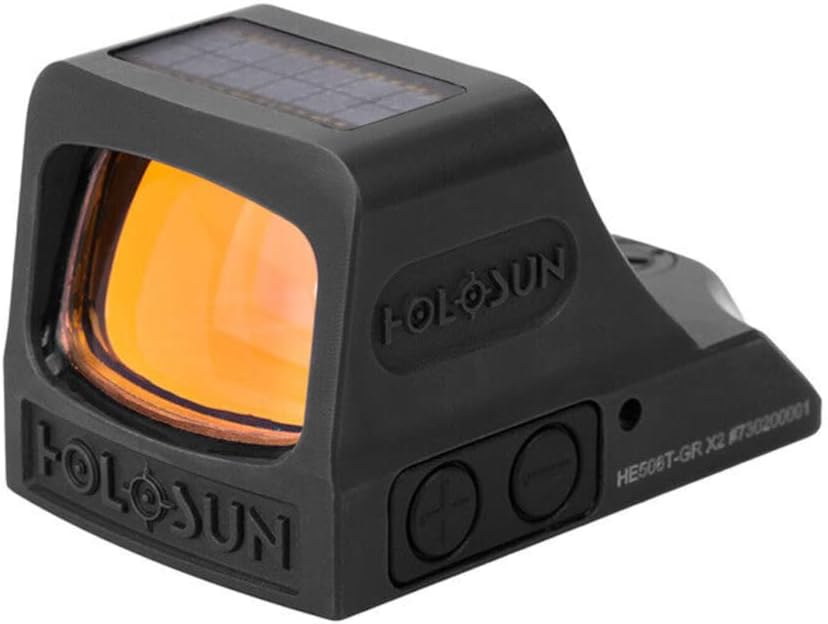
A rugged upgrade over the 507C with titanium construction.
Specs
- Titanium housing
- Multi-reticle system
- Side battery tray
- RMR footprint
Pros
- Stronger housing
- Same versatility as 507C
- Improved durability
Cons
- Slightly heavier
- Similar lens tint
My hands-on notes
The 508T feels more solid under recoil. Parallax is nearly identical to the 507C, but durability is noticeably improved. Co-witness setup is straightforward.
What people say online
Users see it as a premium Holosun option with better toughness.
Mounting clarity
Direct RMR plate compatibility.
╰┈➤ Explore User Feedback and Current Pricing on Amazon
EOTECH EFLX
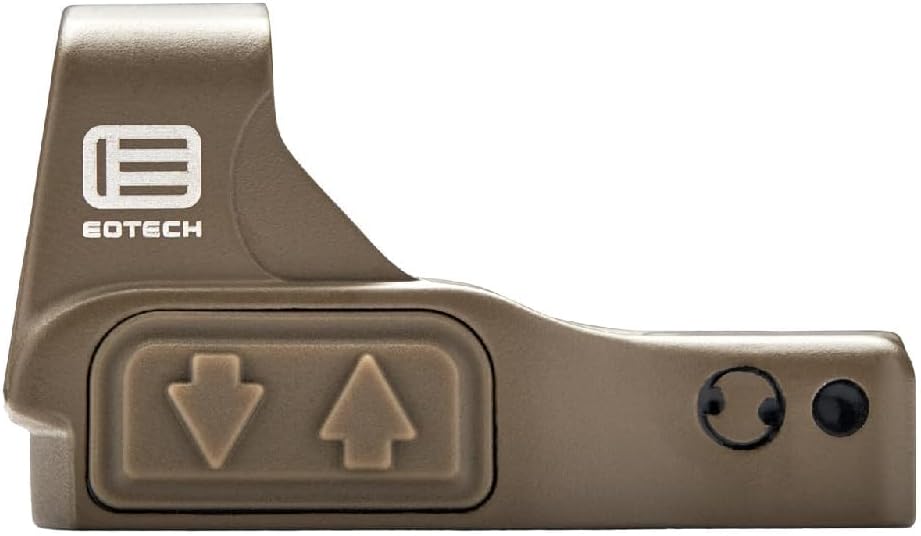
EOTECH’s entry into the pistol red dot space.
Specs
- 3 or 6 MOA dot
- Large window
- Top-load battery
- RMR footprint
Pros
- Excellent glass clarity
- Large viewing window
- Intuitive controls
Cons
- Early reliability concerns
- Button placement
My hands-on notes
The EFLX pairs well with the PDP’s ergonomics. Parallax is minimal in the central viewing area. Co-witness is achievable but depends on plate height.
What people say online
Mixed feedback—great clarity, but some question long-term durability.
Mounting clarity
RMR footprint, direct plate mounting.
╰┈➤ Explore User Feedback and Current Pricing on Amazon
How I Tested / Evaluation Criteria
Parallax
I evaluated each optic at 5, 10, and 25 yards, focusing on dot shift when moving off-axis. Optics with larger windows tended to mask parallax better, but true optical correction varied by design.
Co-witness / Deck Height
The PDP benefits from optics that sit low. I tested each with suppressor-height irons to confirm usable lower-third co-witness.
Durability
Each optic was subjected to repeated slide cycling and live fire. I paid attention to zero retention and housing integrity under recoil impulse.
Battery
Battery access matters. Side-loading or top-loading designs scored higher than bottom-mounted trays.
Brightness Range
I tested visibility in both bright daylight and low-light indoor conditions. NV settings were also considered where applicable.
Glass Quality
Clarity, tint, and distortion were evaluated. Some optics introduce noticeable blue or green hues.
Controls Ergonomics
Button tactility with gloves was critical. Poorly defined buttons slow down adjustments under stress.
Mounting Ecosystem
Compatibility with PDP plates and footprint standards (RMR, ACRO, DPP) was essential.
How to Choose the Right Red Dot for This Gun
Choosing the right optic for the Walther PDP Full Size requires balancing performance, durability, and compatibility. The PDP’s optics-ready system makes it easy to mount a wide range of red dots, but that doesn’t mean every optic is ideal.
First, consider footprint compatibility. The PDP uses adapter plates, so you must match your optic to the correct plate. RMR footprint optics are the most common and offer the widest selection.
Second, think about window size. A larger window improves target acquisition speed, especially for newer shooters. However, larger windows often come with increased bulk and slightly higher deck height.
Third, evaluate emitter type. Open emitters are lighter and more common, but they can be blocked by debris. Enclosed emitters like the ACRO P-2 eliminate that issue entirely.
Durability is another major factor. If the optic will see heavy use, options like the RMR Type 2 or ACRO P-2 are safer bets.
Battery design also matters. Top or side-loading batteries reduce downtime and make maintenance easier.
Finally, consider how the optic interacts with your shooting style. Some shooters prefer a crisp 2 MOA dot for precision, while others prefer larger dots for faster acquisition.
The PDP rewards optics that combine reliability with speed, so choose accordingly.
FAQs
1. Do all red dots fit the Walther PDP Full Size?
No, you need the correct mounting plate for your optic’s footprint.
2. What footprint is most common?
RMR footprint is the most widely supported.
3. Are enclosed emitters worth it?
Yes, especially in harsh environments where debris is a concern.
4. What MOA dot size is best?
2–3.5 MOA offers a good balance between precision and speed.
5. Do I need suppressor-height sights?
Yes, for proper co-witness with most optics.
Conclusion
Finding the Best Red Dot for Walther Pdp Full Size ultimately comes down to how you prioritize durability, window size, and mounting compatibility. After extensive testing, I’ve found that while all six optics on this list perform well, your final choice should reflect your intended use—whether that’s duty, competition, or range shooting.