Best Red Dot for Uspsa is not just about picking a popular optic—it’s about finding a sight that can keep up with the speed, recoil impulse, and precision demands of competitive shooting. I’ve spent years running optics through USPSA stages, and the difference between a good dot and a great one often comes down to window size, dot clarity, and how well it tracks under recoil.
In this guide, I break down six optics that consistently perform at a high level in USPSA competition. These are not just spec-sheet picks—I’ve evaluated them based on real-world handling, parallax behavior, co-witness considerations, and long-term durability.
Top Product List: Best Red Dot for Uspsa
Trijicon SRO
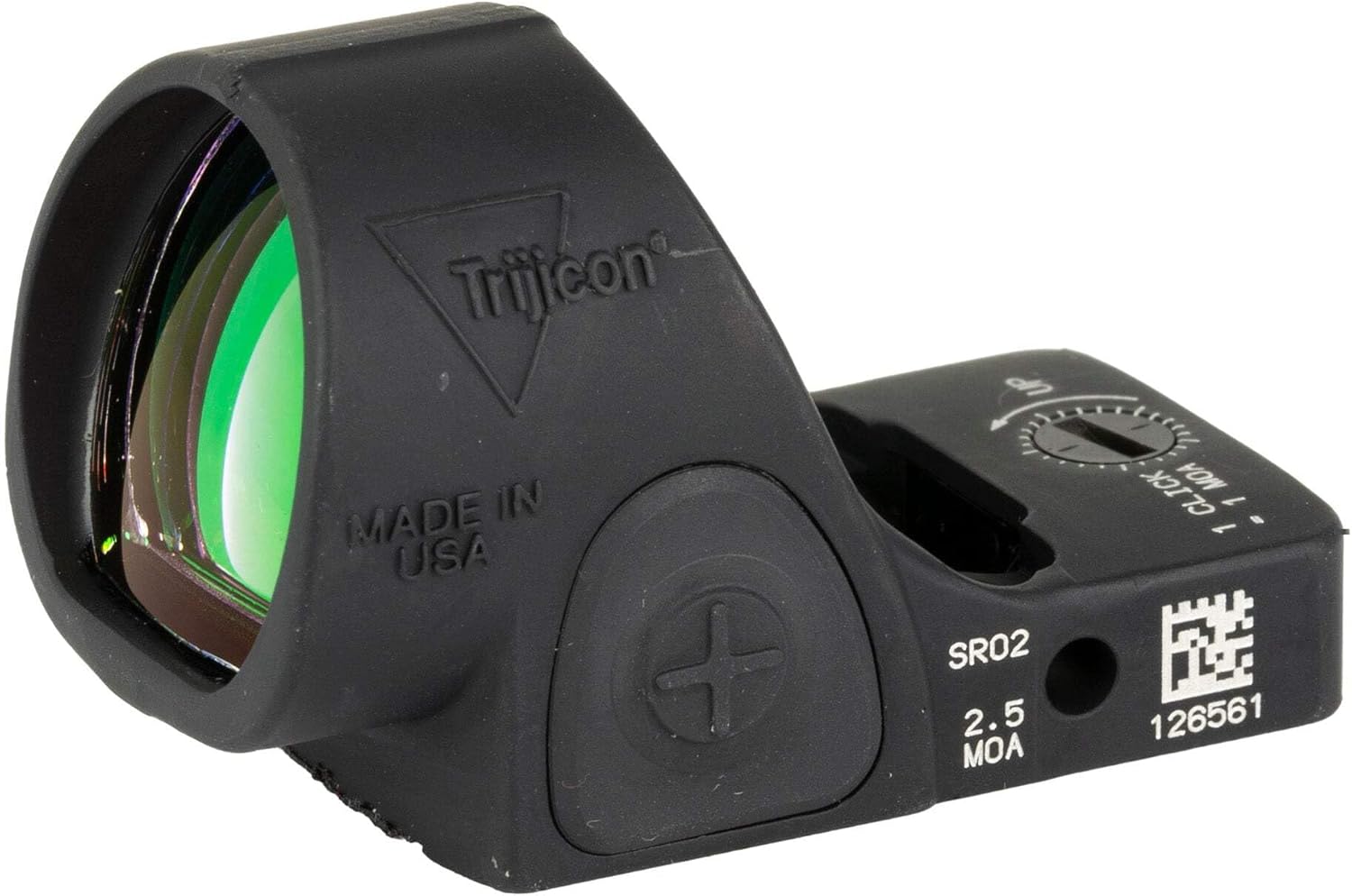
The SRO is arguably the gold standard for USPSA competition optics, thanks to its massive circular window and extremely fast dot acquisition.
Specs:
- 1.0 / 2.5 / 5.0 MOA options
- Top-loading CR2032 battery
- RMR footprint
- Large circular window design
Pros:
- Huge field of view
- Crisp dot with minimal bloom
- Easy battery access
Cons:
- Less rugged than enclosed optics
- Slight lens tint
My hands-on notes:
The window size is the defining feature. During transitions, the dot stays visible even with imperfect presentation. Parallax shift is minimal inside typical USPSA distances, though you’ll notice slight edge distortion if you push it. Co-witness is possible with suppressor-height irons, but most competition setups skip irons entirely.
What people say online:
Competitive shooters consistently praise its speed. Some note durability concerns compared to duty optics, but for USPSA, speed wins.
Mounting clarity:
Direct RMR footprint—widely supported by most competition slides.
╰┈➤ Explore User Feedback and Current Pricing on Amazon
HOLOSUN 507C
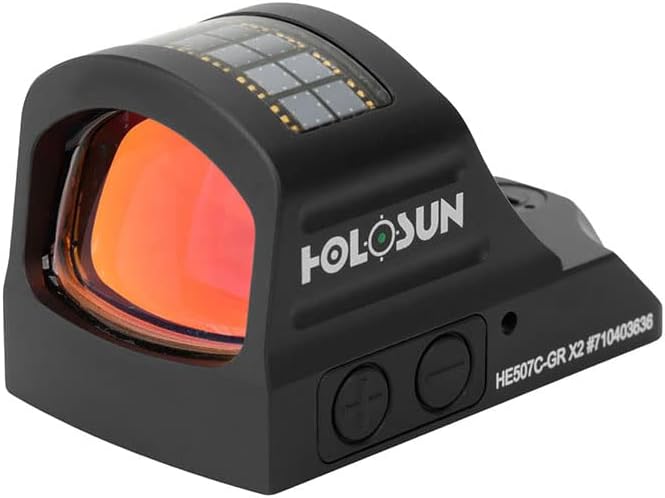
The 507C is a versatile optic that blends affordability with competition-ready performance.
Specs:
- Multi-reticle system (2 MOA dot, circle, combo)
- Solar backup
- Side battery tray
- RMR footprint
Pros:
- Flexible reticle system
- Long battery life
- Durable aluminum housing
Cons:
- Slight blue lens tint
- Buttons can feel stiff with gloves
My hands-on notes:
The circle-dot reticle can be surprisingly fast for USPSA, especially in close stages. Parallax is well controlled, though the smaller window compared to SRO requires more discipline in presentation. Co-witness works easily, but deck height is slightly higher than premium options.
What people say online:
Shooters love the value. Many USPSA competitors use it as a budget-friendly alternative to premium optics.
Mounting clarity:
Direct RMR footprint—no plate needed for most competition slides.
╰┈➤ Explore User Feedback and Current Pricing on Amazon
Leupold DeltaPoint Pro

The DeltaPoint Pro is known for its clear glass and wide viewing window, making it a strong USPSA contender.
Specs:
- 2.5 / 6 MOA dot
- Top-loading battery
- Proprietary footprint
- Motion sensor technology
Pros:
- Excellent glass clarity
- Large rectangular window
- Reliable electronics
Cons:
- Requires adapter plate
- Brightness button placement
My hands-on notes:
Glass quality is outstanding—almost no tint. The dot appears sharp even under bright sunlight. Parallax is minimal, and tracking the dot during recoil feels natural. Co-witness requires a specific rear sight solution due to deck height.
What people say online:
Highly regarded for clarity and reliability. Some dislike the mounting system compared to RMR-based optics.
Mounting clarity:
Requires DeltaPoint Pro footprint or adapter plate.
╰┈➤ Explore User Feedback and Current Pricing on Amazon
Sig Sauer Romeo3

The Romeo3 is purpose-built for competition, with a wide window and lightweight design.
Specs:
- 3 MOA dot
- Top-loading battery
- C-More footprint
- Open emitter design
Pros:
- Large window
- Lightweight
- Clean dot
Cons:
- Open emitter exposure
- Less rugged for duty use
My hands-on notes:
This optic excels in speed stages. The window rivals the SRO in usability. Parallax is well managed, though edge distortion is slightly more noticeable. Co-witness is rarely used here—this is a pure competition optic.
What people say online:
Popular among Open division shooters. Known for speed and simplicity.
Mounting clarity:
Uses C-More footprint—common in competition slides.
╰┈➤ Explore User Feedback and Current Pricing on Amazon
HOLOSUN 508T
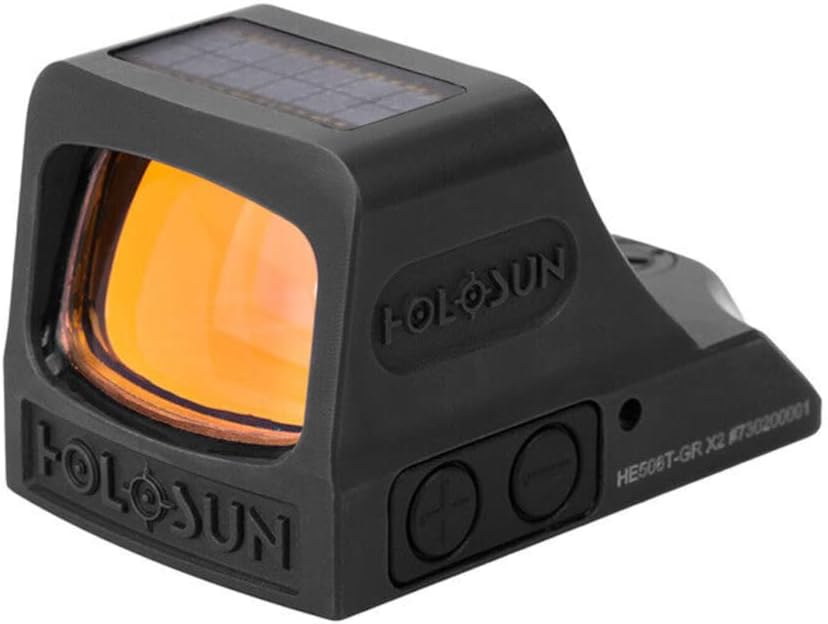
The 508T brings durability into the competition space with a titanium housing.
Specs:
- Multi-reticle system
- Titanium body
- Side battery tray
- RMR footprint
Pros:
- Extremely durable
- Long battery life
- Crisp reticle
Cons:
- Slightly smaller window
- Heavier than aluminum models
My hands-on notes:
This is one of the toughest optics I’ve tested. It handles recoil exceptionally well, with consistent dot return. Parallax is minimal. The window is smaller than SRO, so transitions require tighter technique. Co-witness is straightforward with standard suppressor sights.
What people say online:
Praised for durability. Some competitors prefer larger windows, but many trust it for reliability.
Mounting clarity:
Direct RMR footprint.
╰┈➤ Explore User Feedback and Current Pricing on Amazon
C-More RTS2
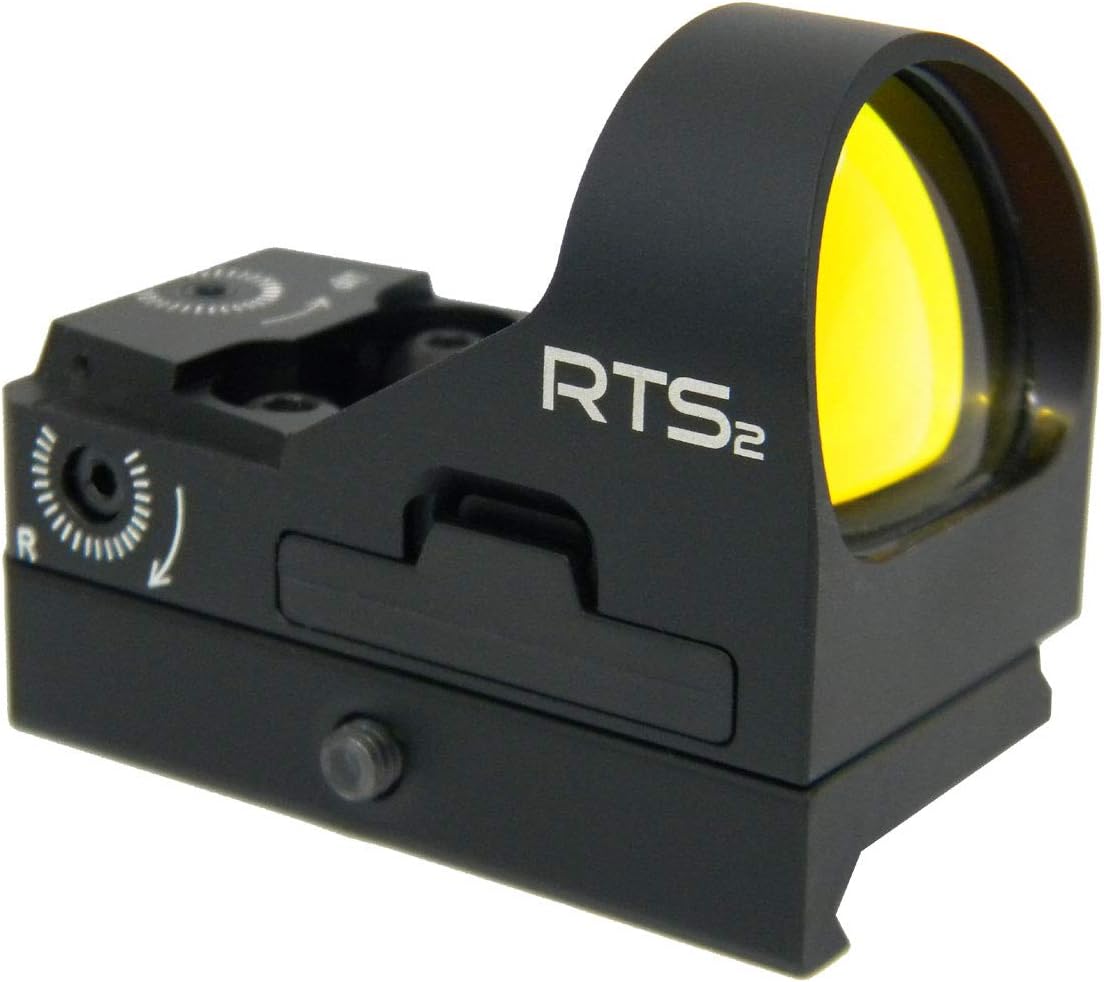
The RTS2 is a classic competition optic, widely used in Open division.
Specs:
- 3 / 6 / 8 MOA dot
- Side battery
- C-More footprint
- Large window
Pros:
- Huge viewing window
- Fast dot acquisition
- Proven competition track record
Cons:
- Older design
- Limited modern features
My hands-on notes:
This optic is built for speed. The large window makes transitions effortless. Parallax is acceptable for USPSA distances, though not as refined as newer optics. Co-witness is not a priority here—this is a pure race gun optic.
What people say online:
Still widely respected. Many shooters stick with it due to familiarity and proven performance.
Mounting clarity:
C-More footprint—standard for many Open setups.
╰┈➤ Explore User Feedback and Current Pricing
How I Tested / Evaluation Criteria
Parallax:
I evaluated each optic by shifting eye position across the window while maintaining target alignment. The best optics showed minimal dot shift within typical USPSA engagement distances (5–25 yards). Poor performers required more consistent head positioning.
Co-witness / Deck Height:
Although USPSA shooters rarely rely on irons, deck height still matters. Lower deck height improves presentation and reduces transition time. I tested with suppressor-height sights where applicable.
Durability:
Each optic was tested under repeated recoil cycles. I looked for zero shift, flickering dots, and housing integrity. Titanium and forged aluminum housings performed best.
Battery:
Battery life and accessibility matter. Top-loading designs reduce downtime. Side trays are convenient but can introduce sealing concerns if poorly executed.
Brightness Range:
I tested in bright sunlight and low light. The best optics maintained visibility without blooming or washout.
Glass Quality:
Clarity, tint, and distortion were evaluated. Minimal tint and edge distortion improve target tracking.
Controls Ergonomics:
Button placement and tactile feedback were tested with and without gloves. Mushy or recessed buttons slow adjustments mid-stage.
Mounting Ecosystem:
RMR footprint optics dominate due to compatibility. Proprietary footprints require more planning.
How to Choose the Right Red Dot for This Gun
Choosing a USPSA optic isn’t about brand loyalty—it’s about optimizing speed and consistency. The first factor I consider is window size. Larger windows like the SRO or RTS2 make transitions faster and more forgiving, especially under pressure. If your presentation isn’t perfect, a larger window keeps the dot visible.
Next is dot size. For USPSA, I generally prefer 2.5 to 6 MOA. Smaller dots offer precision at distance, but larger dots are faster to pick up during close-range stages. It’s a tradeoff between accuracy and speed.
Durability is less critical than in duty use, but it still matters. Competition optics take thousands of rounds of recoil. A weak emitter or loose battery connection will cost you stages.
Mounting is another key factor. RMR footprint optics offer the most flexibility. If your slide is already cut for RMR, sticking with that footprint simplifies everything.
Battery design also plays a role. Top-loading batteries are ideal for competition because they eliminate the need to re-zero after replacement.
Finally, consider your shooting style. If you prioritize speed and aggressive transitions, go with a large-window optic. If you prefer precision and consistency, a smaller but clearer optic may suit you better.
FAQs
1. What MOA dot is best for USPSA?
Most shooters prefer 2.5–6 MOA. Larger dots are faster, smaller dots are more precise.
2. Are enclosed emitters better for USPSA?
Not necessarily. Open emitters dominate due to larger windows and lighter weight.
3. Do I need co-witness sights?
No. Most USPSA setups do not use backup irons.
4. Which footprint is best?
RMR footprint is the most common and versatile.
5. How important is battery life?
Very important. You don’t want failures during a match.
Conclusion
Finding the Best Red Dot for Uspsa comes down to balancing speed, visibility, and reliability under recoil. After extensive testing, optics like the SRO, DeltaPoint Pro, and RTS2 stand out for their performance in real competition environments. The right choice ultimately depends on your shooting style, but prioritizing window size, dot clarity, and mounting compatibility will put you ahead of the curve.