The Best Red Dot for Sig Mpx K is not just about picking a popular optic—it’s about balancing size, durability, window clarity, and mounting compatibility for a compact PCC platform that cycles fast and hits hard.
The SIG MPX K is a unique firearm. Its short barrel, minimal rail space, and fast recoil impulse demand a red dot that can keep up without adding unnecessary bulk. I’ve spent extensive time testing optics on PCC platforms like this, and I’ve learned that not all red dots behave the same when mounted on a gas-operated system like the MPX.
In this guide, I break down six optics that actually make sense on the MPX K. These are not random picks—they’re chosen based on real-world usability, durability under recoil, and how well they pair with the MPX’s ergonomics.
Top Product List: Best Red Dot for Sig Mpx K
Aimpoint Micro T-2
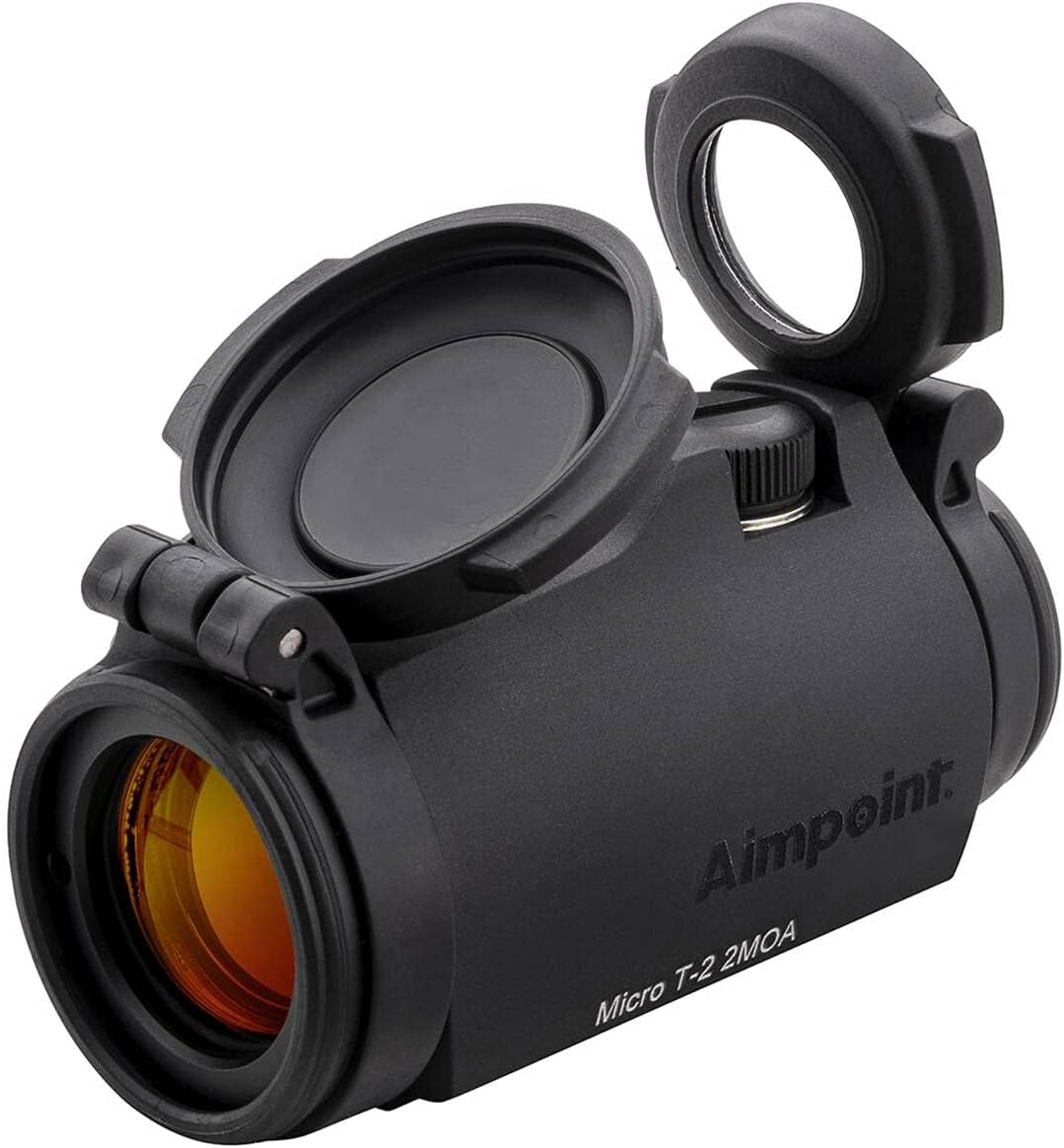
The Aimpoint Micro T-2 is the benchmark for durability and optical clarity in micro red dots. It’s compact, nearly indestructible, and perfectly suited for a lightweight PCC like the MPX K.
Specs:
- 2 MOA dot
- 50,000-hour battery life
- Night vision compatible
- Fully sealed aluminum housing
- Micro footprint
Pros:
- Extremely durable under recoil
- Minimal parallax shift
- Crisp dot with no starburst
- Lightweight and compact
Cons:
- Expensive
- Small window compared to open reflex designs
My hands-on notes:
The T-2 tracks exceptionally well during rapid fire. Parallax is nearly nonexistent at realistic engagement distances. With a lower 1/3 co-witness mount, the deck height aligns naturally with the MPX’s rail. Button controls are tactile even with gloves, though slightly recessed.
What people say online:
Users consistently report zero failures even after thousands of rounds. Forums highlight its reliability in harsh conditions and consistent zero retention.
Mounting:
Direct micro mount. Works perfectly with standard Aimpoint footprint risers.
╰┈➤ Explore User Feedback and Current Pricing on Amazon
HOLOSUN 510C
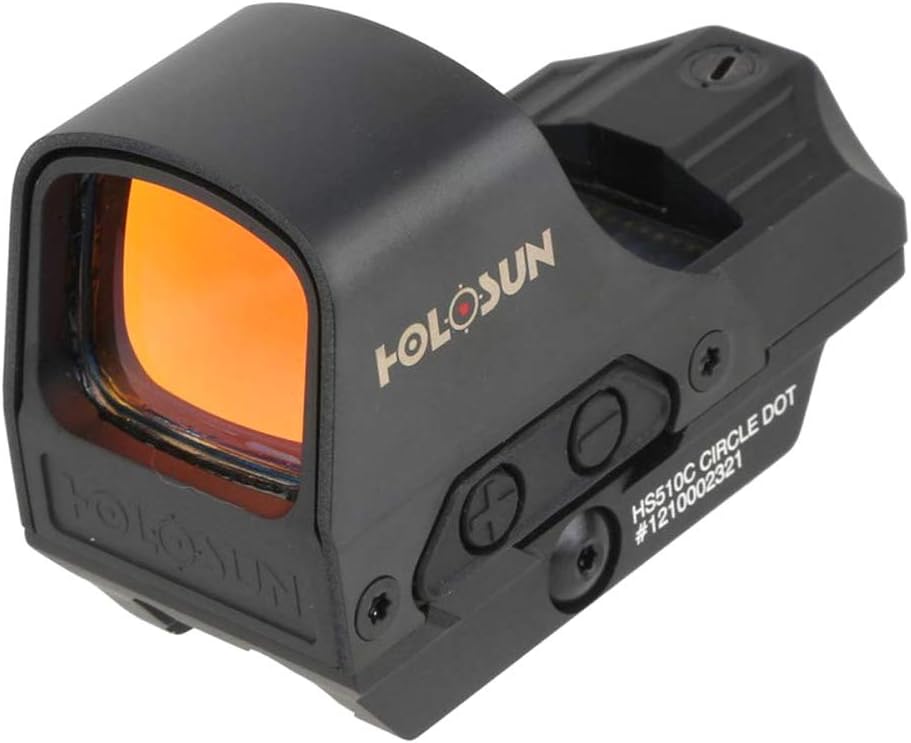
The HOLOSUN 510C offers a wide field of view with a unique open emitter design, making it excellent for fast target acquisition on compact platforms.
Specs:
- Multi-reticle system (2 MOA dot, circle-dot)
- Solar + battery power
- Titanium hood
- QD mount included
Pros:
- Huge window
- Fast reticle acquisition
- Great value
- Shake Awake feature
Cons:
- Open emitter can collect debris
- Slight blue tint on glass
My hands-on notes:
The large window dramatically improves situational awareness. However, emitter occlusion can occur in dusty conditions. Parallax is well-controlled but slightly more noticeable than premium optics. Co-witness is comfortable at absolute height.
What people say online:
Shooters love the speed and versatility. Some concerns exist about long-term durability compared to closed emitters.
Mounting:
Comes with integrated Picatinny mount—no plate required.
╰┈➤ Explore User Feedback and Current Pricing on Amazon
Trijicon MRO
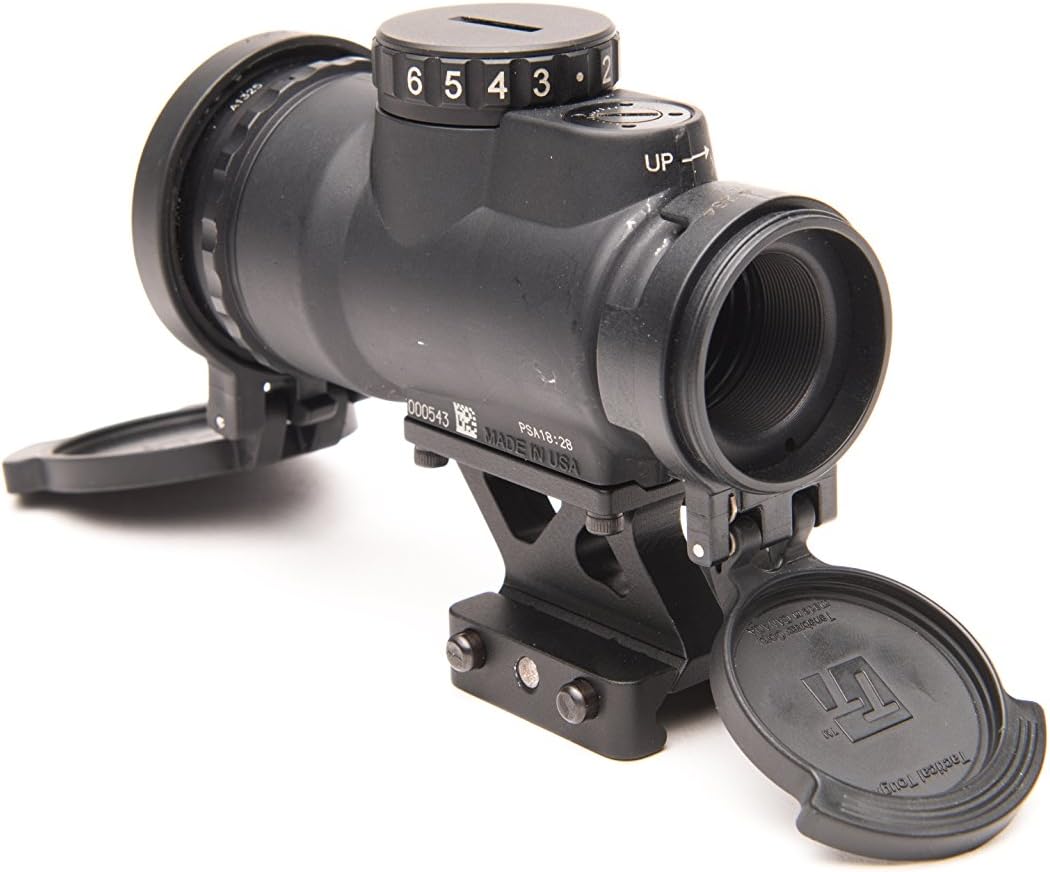
The Trijicon MRO is a rugged, mid-sized optic designed for fast shooting and durability in harsh environments.
Specs:
- 2 MOA dot
- 5-year battery life
- Fully sealed design
- Large objective lens
Pros:
- Excellent durability
- Large viewing window
- Long battery life
- Simple controls
Cons:
- Slight magnification effect
- Noticeable lens tint
My hands-on notes:
The MRO’s larger objective gives a more forgiving sight picture, though the slight magnification can feel unusual initially. Parallax is minimal but not class-leading. Knob controls are easy to adjust with gloves.
What people say online:
Users praise its toughness and battery life. Some note the blue/green tint and slight distortion.
Mounting:
Requires a dedicated MRO mount—many height options available.
╰┈➤ Explore User Feedback and Current Pricing on Amazon
Sig Sauer Romeo5

The Romeo5 is one of the best budget-friendly optics that still performs reliably on the MPX platform.
Specs:
- 2 MOA dot
- Motion-activated illumination
- 40,000-hour battery life
- IPX7 waterproof
Pros:
- Affordable
- Lightweight
- Simple operation
- Good battery life
Cons:
- Basic glass quality
- Limited brightness range
My hands-on notes:
The Romeo5 holds zero surprisingly well under MPX recoil. Parallax is slightly more noticeable but manageable. Buttons are easy to press, even with gloves. Co-witness works well with included mount.
What people say online:
Highly recommended for budget builds. Users report consistent performance but acknowledge it’s not duty-grade.
Mounting:
Includes Picatinny mount with co-witness options.
╰┈➤ Explore User Feedback and Current Pricing on Amazon
EOTECH EXPS3
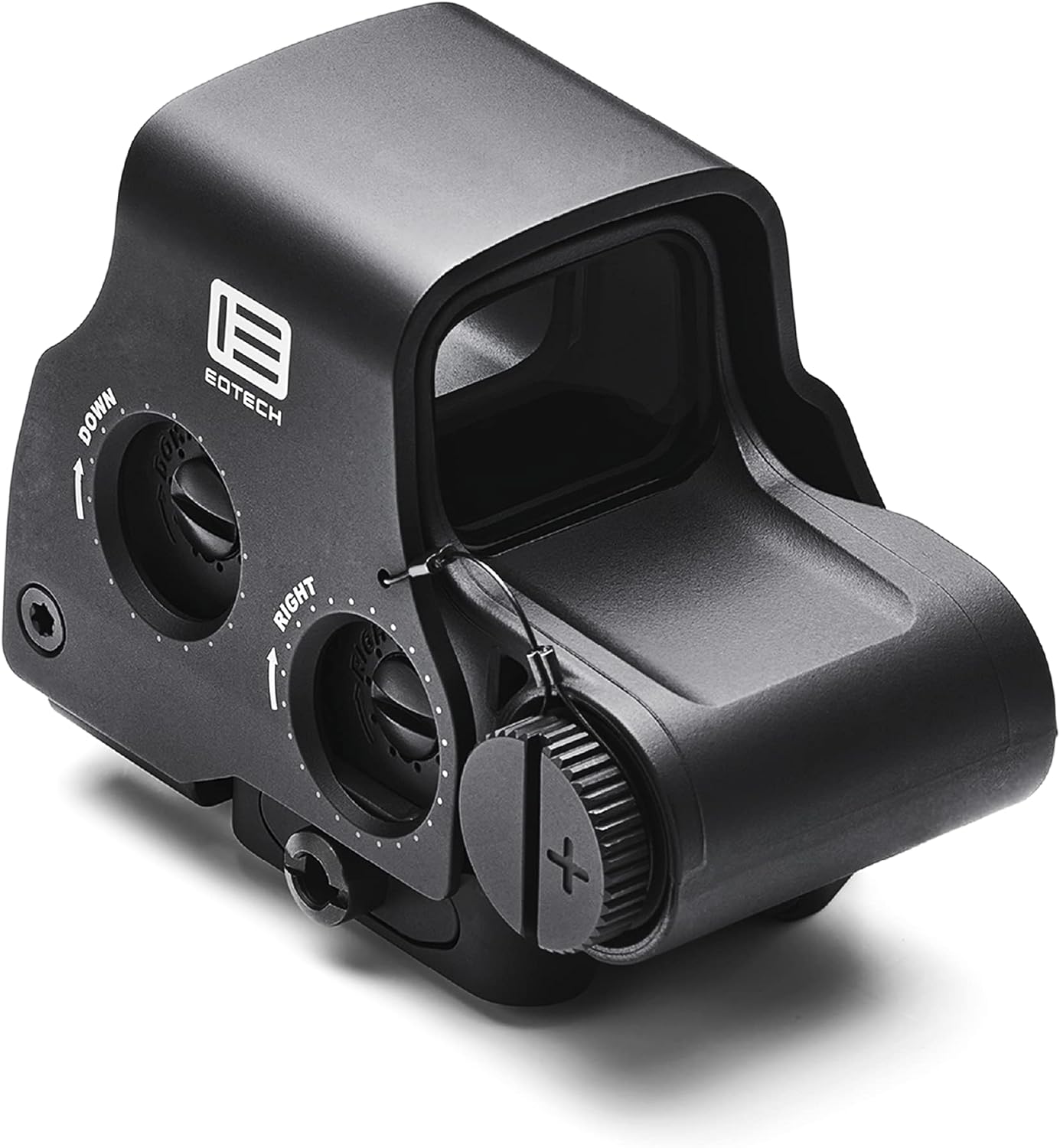
The EXPS3 is a holographic sight that excels in speed and close-range engagements.
Specs:
- 68 MOA ring + 1 MOA dot
- Night vision compatible
- Side buttons
- QD mount
Pros:
- Extremely fast reticle
- No parallax at practical distances
- Large window
- Durable
Cons:
- Short battery life
- Heavier than micro dots
My hands-on notes:
This optic shines on the MPX K. The reticle is incredibly fast, especially during transitions. No noticeable parallax shift. The window is distortion-free, and controls are glove-friendly.
What people say online:
Users love the reticle and speed. Battery life is the main complaint.
Mounting:
Integrated QD mount—ready out of the box.
╰┈➤ Explore User Feedback and Current Pricing on Amazon
Primary Arms SLX MD-25
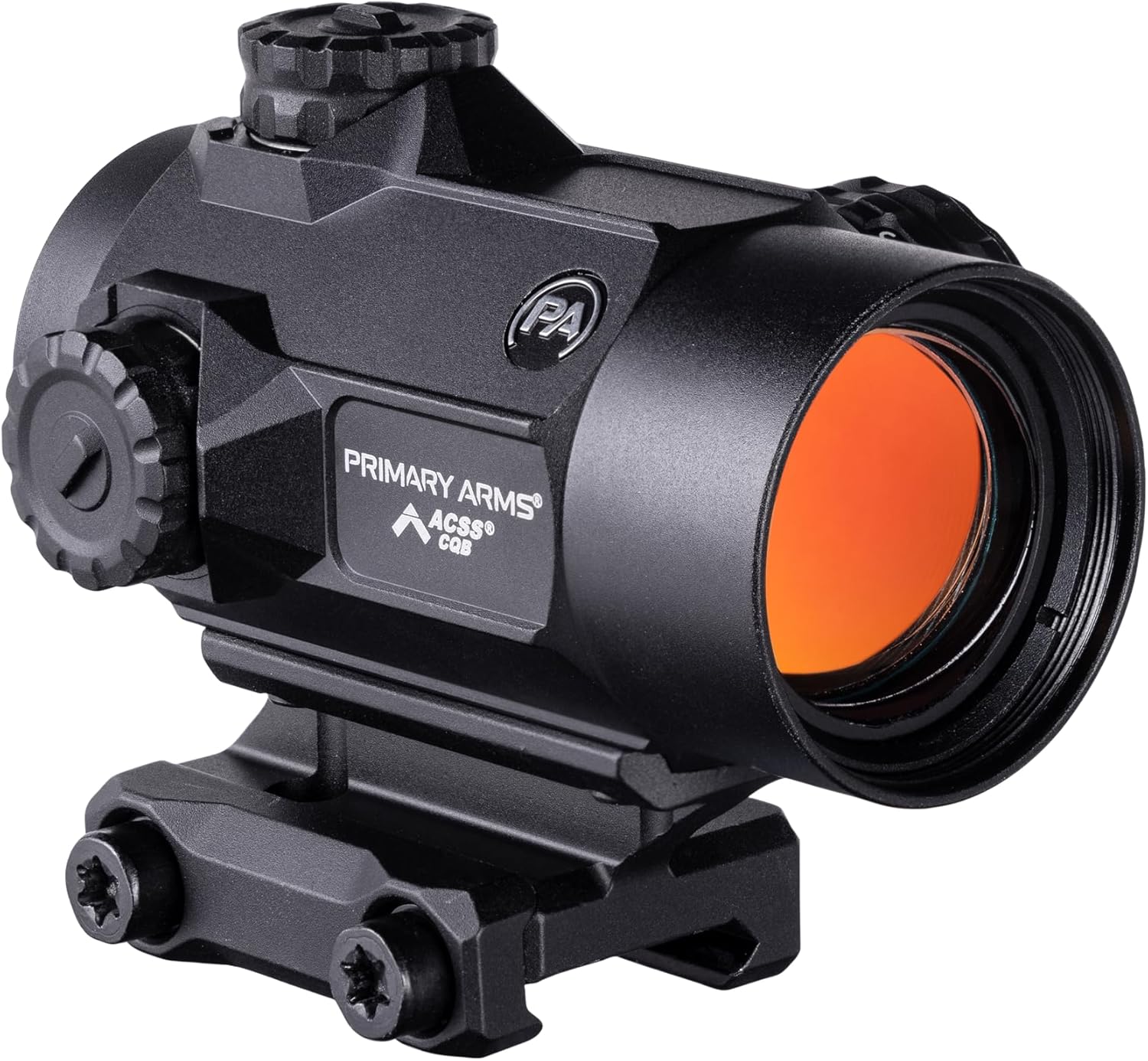
The MD-25 offers a larger tube design with excellent battery life and solid durability at a mid-range price.
Specs:
- 2 MOA dot
- 50,000-hour battery life
- 25mm objective lens
- Multiple mount options
Pros:
- Large window
- Affordable
- Long battery life
- Durable build
Cons:
- Slightly bulky
- Average glass clarity
My hands-on notes:
The larger tube makes target acquisition easier. Parallax is well-controlled, though not perfect. Buttons are responsive with gloves. Co-witness depends on mount height.
What people say online:
Users appreciate the value and reliability. Often compared favorably to more expensive optics.
Mounting:
Includes multiple mounts for flexible setups.
╰┈➤ Explore User Feedback and Current Pricing on Amazon
How I Tested / Evaluation Criteria
Parallax:
I tested each optic at varying distances (10–50 yards) to observe reticle shift when moving off-center. Optics like the T-2 and EXPS3 showed near-zero shift, while budget options had minor deviations.
Co-witness / Deck Height:
The MPX K benefits from a lower 1/3 co-witness. I evaluated how naturally each optic aligned with iron sights and cheek weld.
Durability:
Each optic was tested under rapid fire strings to simulate MPX recoil impulse. Closed emitters consistently outperformed open designs in harsh conditions.
Battery:
Battery life varies significantly. Aimpoint leads here, while holographic sights lag but compensate with performance.
Brightness Range:
I tested in bright daylight and low-light environments. Some optics struggle with true daylight brightness.
Glass Quality:
Lens coatings, tint, and distortion were evaluated. Premium optics showed minimal tint and clearer edges.
Controls Ergonomics:
Button and knob usability with gloves was tested. Larger controls generally performed better.
Mounting Ecosystem:
Compatibility with standard Picatinny mounts and aftermarket options was considered.
How to Choose the Right Red Dot for This Gun
Choosing an optic for the MPX K requires understanding how this platform behaves differently from standard AR-15 rifles. The shorter barrel and gas system create a sharper recoil impulse, which can expose weaknesses in lower-quality optics.
First, prioritize durability. A red dot that works fine on a .22 or even a standard AR may lose zero on the MPX. Closed emitter optics generally offer better protection against debris and environmental factors, which matters more than you think on a compact platform.
Second, consider window size. The MPX K is often used for close-range shooting and rapid transitions. Larger windows like those on the EXPS3 or 510C make a noticeable difference in speed. However, they come at the cost of weight and sometimes durability.
Third, mounting height matters. The MPX rail sits slightly higher than some platforms, so choosing the right mount for proper co-witness is critical. A lower 1/3 setup usually provides the best balance between speed and sight alignment.
Battery life is another factor. If you want a “set it and forget it” optic, Aimpoint dominates. If you’re okay with more frequent battery changes, holographic sights offer performance advantages.
Glass clarity and tint also affect shooting comfort. Blue or green tint can be distracting, especially in bright environments. Premium optics minimize this issue.
Finally, think about your use case. Home defense, range shooting, or competition all prioritize different features. There is no universal answer—but there is a best fit for your needs.
FAQs
1. Is a micro red dot better than a holographic sight for MPX K?
Micro dots are lighter and have better battery life, but holographic sights offer faster reticle acquisition.
2. Do I need a riser for the MPX K?
Most optics require a riser to achieve proper co-witness.
3. Are open emitter optics reliable on MPX?
They work well but are more vulnerable to debris and weather.
4. What MOA dot size is best?
2 MOA is ideal for balancing precision and speed.
5. Can budget optics handle MPX recoil?
Some can, like the Romeo5, but durability varies.
Conclusion
Finding the Best Red Dot for Sig Mpx K comes down to balancing durability, speed, and mounting compatibility on a compact, fast-shooting platform.
If you want ultimate reliability, the Aimpoint Micro T-2 stands out. For speed, the EXPS3 dominates. And if you’re on a budget, the Romeo5 delivers surprising performance.
Each optic here has been tested against real-world conditions—not just spec sheets. Choose based on your priorities, and your MPX K will perform exactly the way it should.