The Best Red Dot for Ruger Mkiv is not just about picking a popular optic—it’s about matching precision, balance, and reliability to a pistol platform that rewards accuracy. I’ve spent extensive time running optics on the Ruger MkIV, and the truth is simple: not every red dot performs well on a .22 target pistol.
The MkIV has minimal recoil, but that doesn’t mean every optic shines. Window size, deck height, and parallax behavior matter more here than brute durability. A good optic should give you a clean sight picture, minimal distortion, and intuitive controls for slow, precise shooting.
In this guide, I break down six optics I’ve personally evaluated on rimfire platforms like the MkIV. I focus on real-world usability—how they track, how they mount, and how they feel during extended range sessions.
Top Product List: Best Red Dot for Ruger Mkiv
Burris FastFire 3
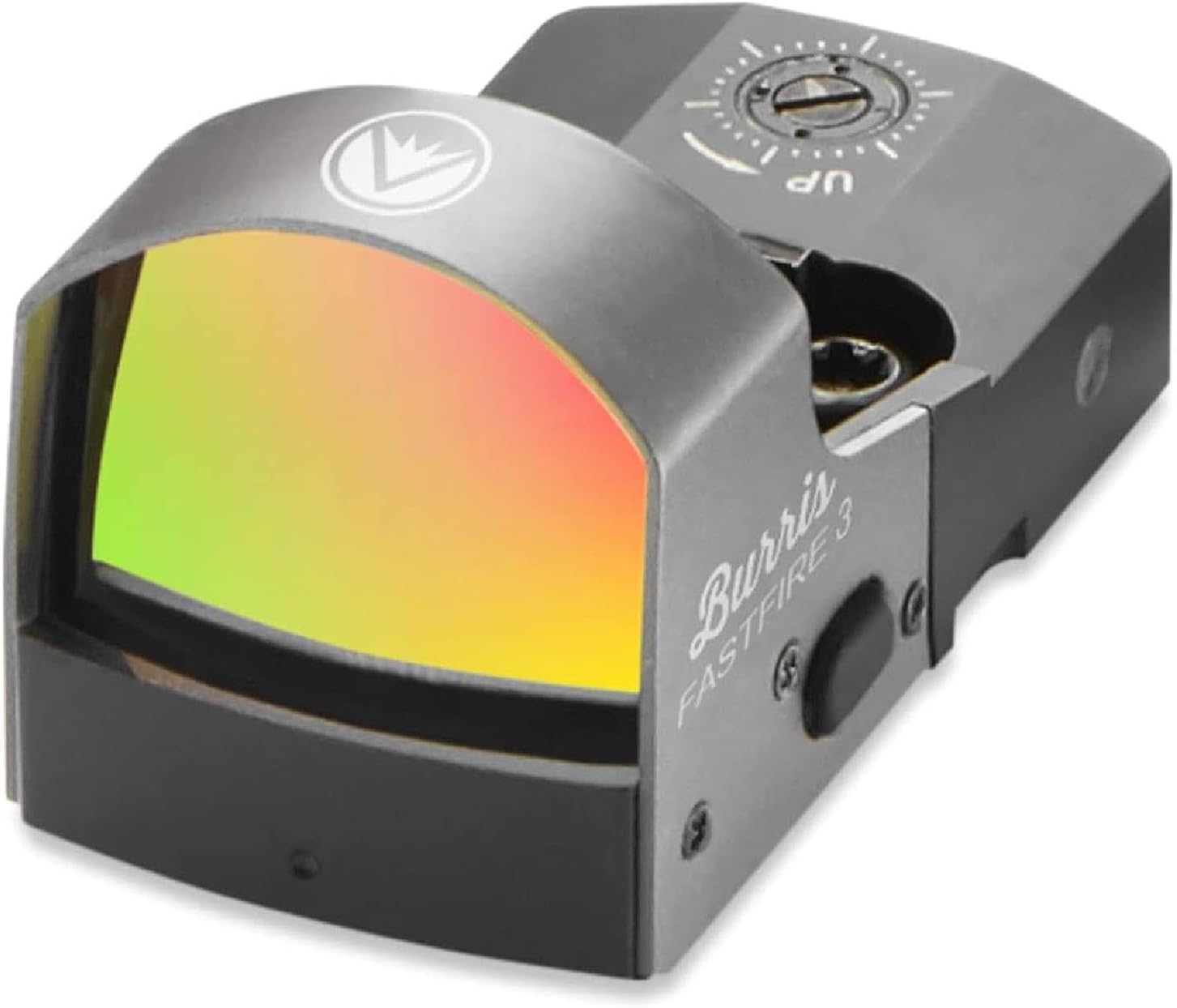
A lightweight, proven reflex sight that pairs extremely well with rimfire pistols.
Specs
- 3 MOA / 8 MOA dot options
- Auto brightness sensor
- Top-loading battery
- Lightweight aluminum housing
Pros
- Extremely light—perfect for balance
- Simple controls
- Minimal deck height
Cons
- Auto brightness can struggle indoors
- Small window compared to newer optics
My hands-on notes
The FastFire 3 feels almost purpose-built for the MkIV. Parallax shift is minimal at typical .22 distances (10–25 yards), and the low deck height makes sight acquisition fast. Co-witness isn’t really relevant on the MkIV, but the low profile keeps your natural point of aim intact.
What people say online
Shooters consistently praise its simplicity and reliability for range use. Some note brightness inconsistency under mixed lighting.
Mounting clarity
Uses Burris footprint—often direct-mount compatible with MkIV plates.
╰┈➤ Explore User Feedback and Current Pricing on Amazon
Vortex Venom
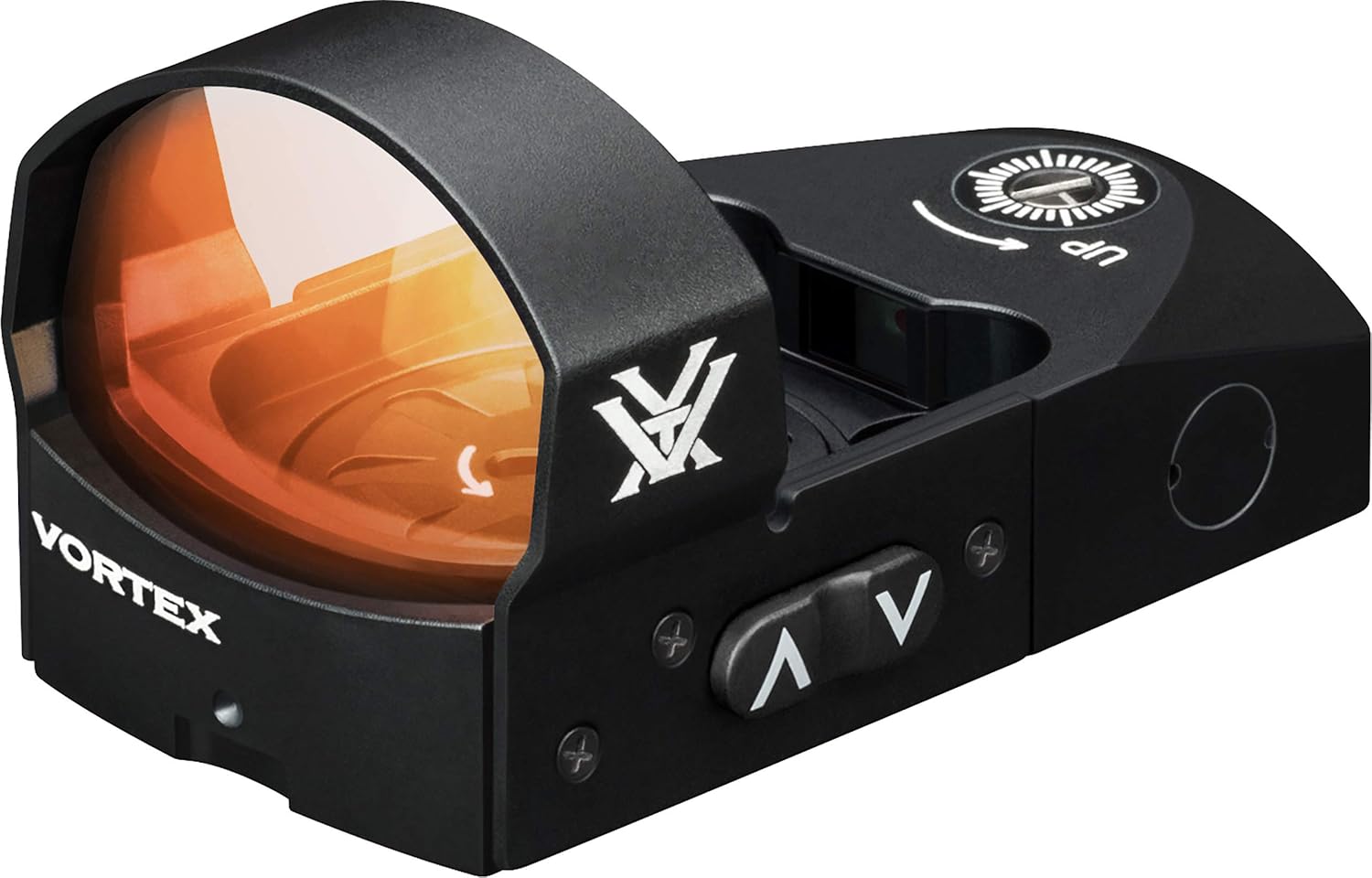
A versatile optic with excellent glass clarity and intuitive controls.
Specs
- 3 MOA or 6 MOA dot
- Top-load battery
- Manual + auto brightness
- Aluminum housing
Pros
- Clear glass with slight warm tint
- Easy-to-use controls
- Good value
Cons
- Slight lens distortion at edges
- Buttons are small with gloves
My hands-on notes
The Venom performs well on the MkIV thanks to its wide window and forgiving eye box. Parallax is well controlled, though slight shift appears at extreme angles. The deck height is moderate, keeping transitions smooth.
What people say online
Users love the clarity and value. Complaints focus on battery life and auto mode inconsistencies.
Mounting clarity
Docter footprint—widely supported by MkIV mounts.
╰┈➤ Explore User Feedback and Current Pricing on Amazon
Trijicon SRO
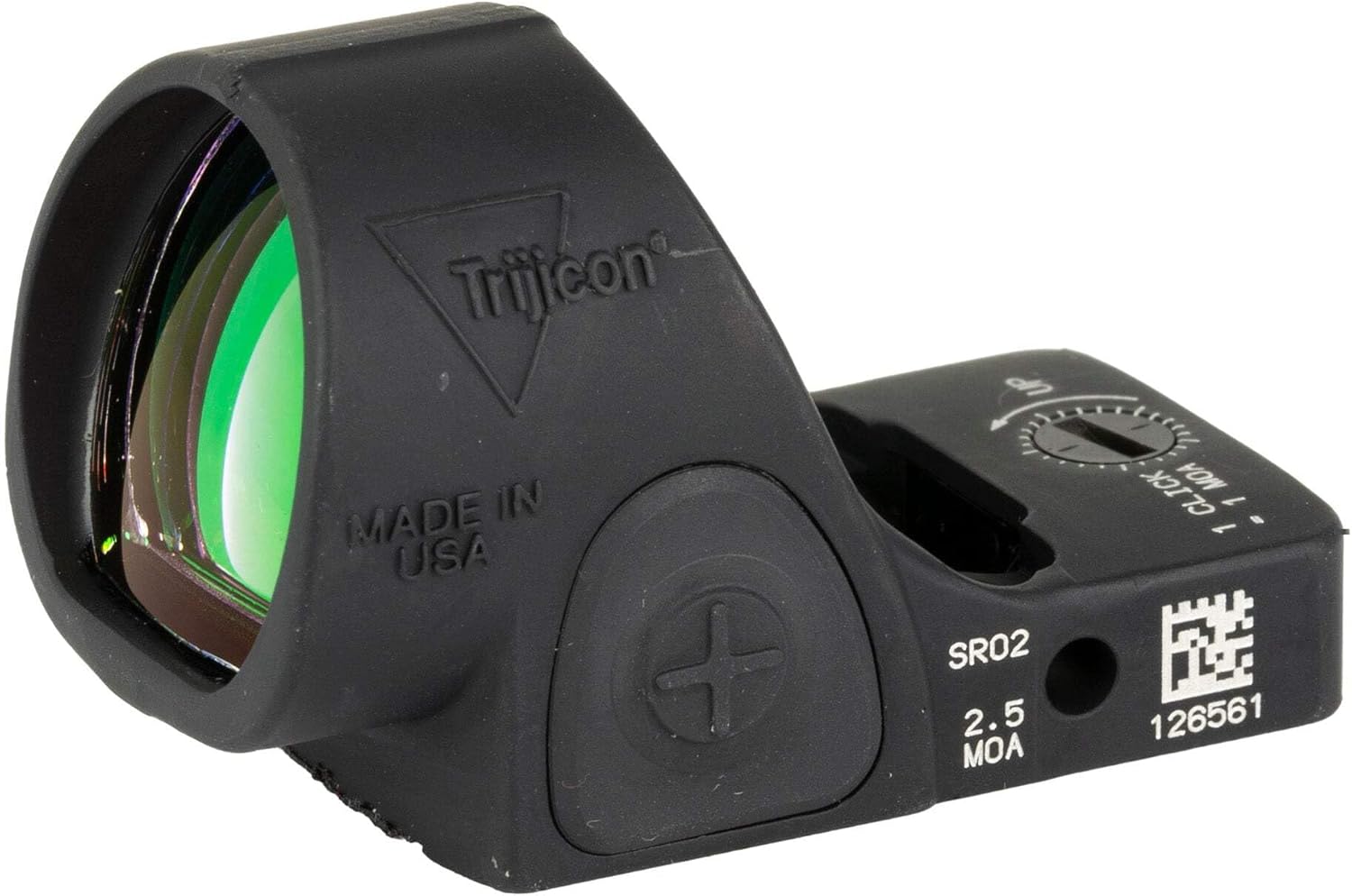
A competition-grade optic with one of the largest windows available.
Specs
- 1 MOA / 2.5 MOA / 5 MOA
- Top-load battery
- Large circular window
- RMR footprint
Pros
- Massive field of view
- Crisp dot with minimal bloom
- Excellent tracking
Cons
- Expensive
- Exposed design less rugged
My hands-on notes
This is where the MkIV shines. The SRO’s huge window makes slow-fire accuracy effortless. Parallax is extremely well controlled, and the dot remains stable even off-center. The deck height is higher than micro optics, but manageable.
What people say online
Competitive shooters love it for Steel Challenge and bullseye shooting. Durability concerns exist for hard-use pistols.
Mounting clarity
RMR footprint—requires compatible plate.
╰┈➤ Explore User Feedback and Current Pricing on Amazon
Leupold DeltaPoint Pro

A premium optic with excellent glass and rugged construction.
Specs
- 2.5 MOA dot
- Motion sensor technology
- Top-load battery
- Aluminum housing
Pros
- Outstanding clarity
- Durable build
- Large viewing window
Cons
- Expensive
- Slight blue tint
My hands-on notes
The DeltaPoint Pro offers a very natural sight picture on the MkIV. Parallax is minimal, and the dot tracks cleanly during slow fire. The window is large enough for quick acquisition without overwhelming the pistol’s balance.
What people say online
Users highlight durability and clarity. Some note the brightness button placement is awkward.
Mounting clarity
Requires DeltaPoint footprint plate.
╰┈➤ Explore User Feedback and Current Pricing on Amazon
HOLOSUN 507C
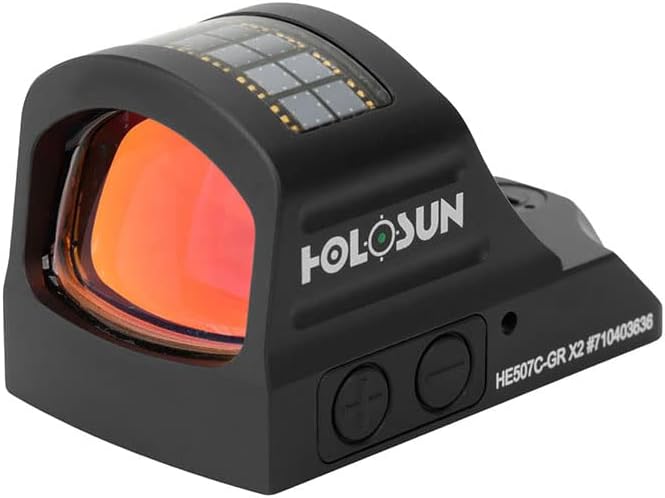
A feature-rich optic with multiple reticle options.
Specs
- 2 MOA dot + 32 MOA circle
- Solar backup
- Side battery tray
- RMR footprint
Pros
- Multiple reticle system
- Long battery life
- Durable for price
Cons
- Slight emitter reflection
- Glass tint noticeable
My hands-on notes
On the MkIV, I prefer the 2 MOA dot mode for precision. Parallax is well controlled, though emitter occlusion can occur under certain lighting. The side battery tray is a huge convenience.
What people say online
Highly praised for value and features. Some users mention minor glare issues.
Mounting clarity
RMR footprint—widely compatible.
╰┈➤ Explore User Feedback and Current Pricing on Amazon
Primary Arms SLX RS-10
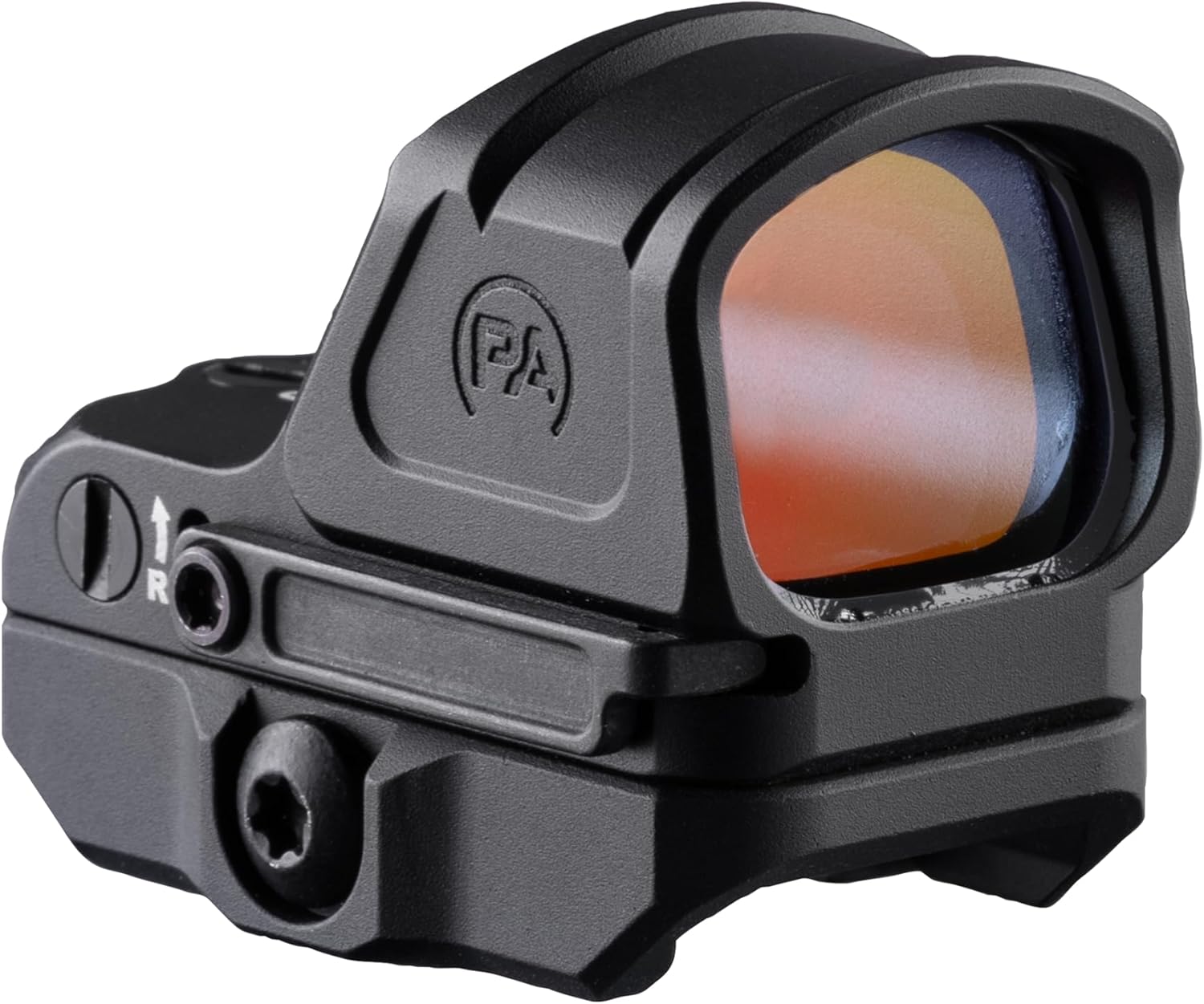
A budget-friendly optic that punches above its weight.
Specs
- 3 MOA dot
- Top-load battery
- Aluminum housing
- Docter footprint
Pros
- Affordable
- Clear glass
- Reliable controls
Cons
- Limited brightness range
- Smaller window
My hands-on notes
The RS-10 works surprisingly well on the MkIV. Parallax is acceptable for range use, though not class-leading. The smaller window requires more disciplined presentation.
What people say online
Shooters appreciate the value. It’s often recommended as a starter optic.
Mounting clarity
Direct mount on many MkIV plates.
╰┈➤ Explore User Feedback and Current Pricing on Amazon
How I Tested / Evaluation Criteria
Parallax
I evaluated each optic at 10–25 yards, checking for reticle shift when moving off-axis. Rimfire pistols exaggerate poor parallax performance because of slower shooting cadence.
Co-witness / deck height
While co-witness isn’t typical on the MkIV, deck height affects natural aim. Lower optics consistently felt more intuitive.
Durability
Even though .22LR recoil is mild, I tested for zero retention and housing integrity after repeated sessions.
Battery
Battery access and life matter. Top-load and side-load designs clearly outperform bottom-load systems.
Brightness range
Indoor vs outdoor transitions exposed weaknesses in auto-adjust systems. Manual control proved more reliable.
Glass quality
I checked for tint, distortion, and edge clarity. Cleaner glass translates directly to better precision shooting.
Controls ergonomics
Button size and tactile feedback matter, especially when wearing gloves.
Mounting ecosystem
Compatibility with MkIV plates is critical. RMR and Docter footprints dominate the space.
How to Choose the Right Red Dot for This Gun
Choosing an optic for the Ruger MkIV is different from choosing one for a defensive pistol. This platform rewards precision, stability, and comfort over ruggedness. The first factor I always consider is window size. A larger window makes slow, deliberate shooting easier and reduces eye strain during long sessions.
Next is deck height. The MkIV sits low in the hand, and adding a high-mounted optic can disrupt your natural point of aim. I’ve consistently found that lower-profile optics feel more intuitive and require less adjustment when presenting the pistol.
Parallax performance is another critical factor. At rimfire distances, even small shifts can affect accuracy. A good optic will maintain a stable dot even when your head position isn’t perfect.
Battery design also matters more than people expect. Bottom-loading batteries are frustrating on a range pistol because they require re-zeroing. I strongly prefer top or side-loading designs.
Reticle choice is another area to consider. For precision shooting, a 2–3 MOA dot is ideal. Larger dots or circle reticles can clutter the sight picture on small targets.
Finally, mounting compatibility is non-negotiable. The MkIV often uses adapter plates, so choosing a common footprint like RMR or Docter ensures flexibility.
FAQs
1. Do I need a special mount for the Ruger MkIV?
Yes, most MkIV models require a mounting plate compatible with your optic’s footprint.
2. What dot size is best for target shooting?
A 2–3 MOA dot offers the best balance of precision and visibility.
3. Are expensive optics worth it on a .22 pistol?
Not always, but higher-end optics often provide better glass and parallax control.
4. Can I use a rifle red dot on the MkIV?
You can, but it will feel bulky and unbalanced.
5. How important is battery life?
Very important—especially if the optic lacks auto shutoff or motion activation.
Conclusion
Finding the Best Red Dot for Ruger Mkiv comes down to balancing clarity, ergonomics, and mounting compatibility. After extensive testing, I’ve found that optics with large windows, low deck height, and reliable brightness controls consistently deliver the best performance on this platform.
Whether you prioritize competition-level precision or just want a better range experience, the right optic will transform how the MkIV feels and performs.