Best Red Dot for Rimfire Rifle setups demand a different balance of weight, clarity, and reliability than centerfire platforms, and after extensive testing, I’ve found that not every optic translates well to .22 LR use. Rimfire rifles are often lighter, used for plinking or small game, and demand fast target acquisition with minimal bulk.
Unlike heavier recoil platforms, rimfire rifles don’t stress optics the same way—but that doesn’t mean you can cut corners. Cheap emitters, poor lens coatings, and inconsistent brightness settings become glaringly obvious when you're shooting steel at 25–100 yards or tracking small moving targets.
In this guide, I break down six optics I’ve personally tested and evaluated for rimfire rifles, focusing on real-world usability: parallax behavior, co-witness compatibility, glass clarity, and durability over thousands of rounds.
Top Product List: Best Red Dot for Rimfire Rifle
Bushnell TRS-25
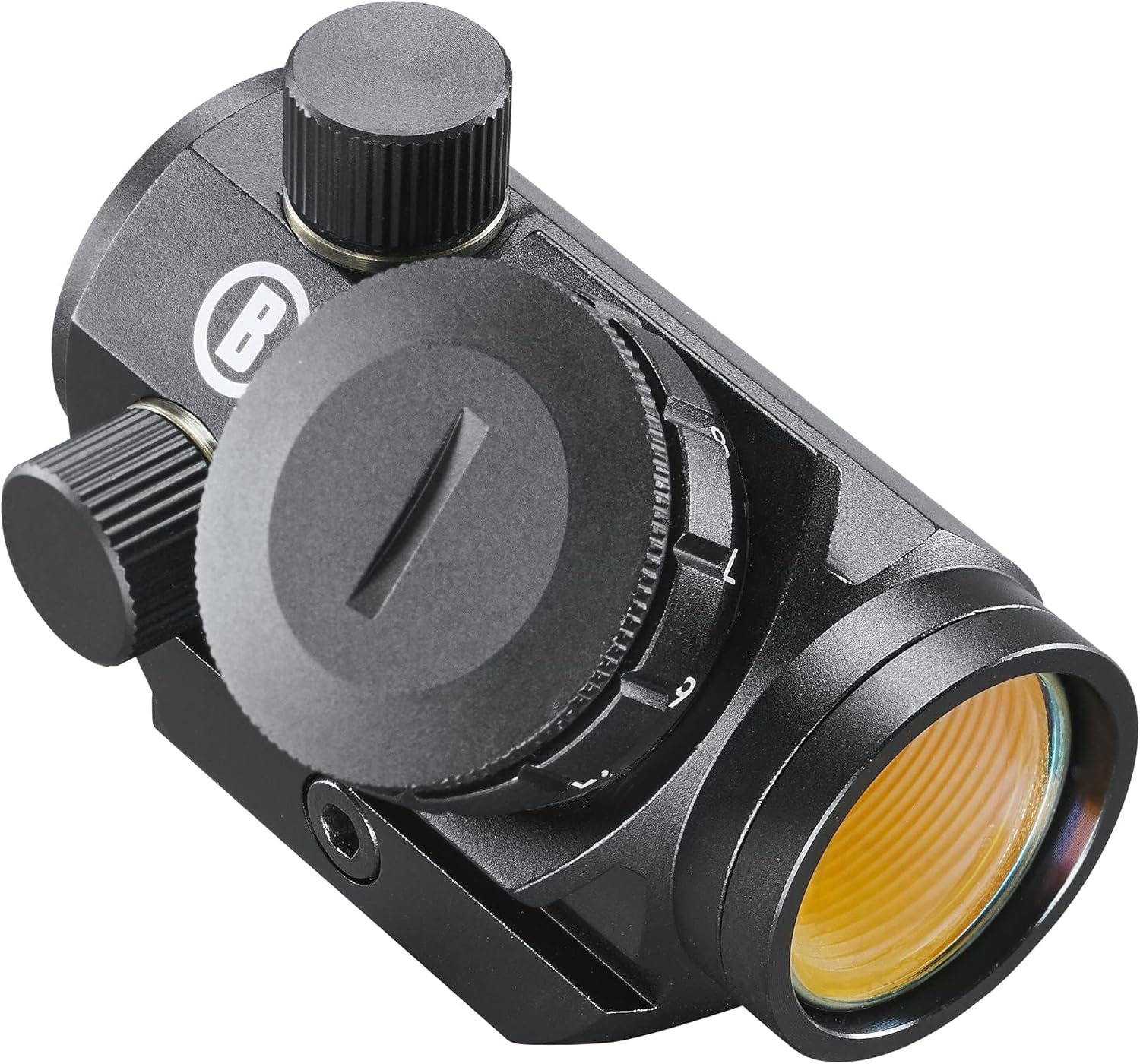
A compact, budget-friendly optic that remains a staple for rimfire shooters due to its simplicity and reliability.
Specs:
- 3 MOA dot
- CR2032 battery
- 11 brightness settings
- 1x magnification
- Weaver/Picatinny mount
Pros:
- Extremely affordable
- Lightweight and compact
- Surprisingly durable for price
Cons:
- Noticeable lens tint
- Mushy brightness dial
- Limited low-light precision
My hands-on notes:
The TRS-25 has more blue tint than higher-end optics, but it’s manageable for daytime shooting. Parallax shift is present at closer ranges under 25 yards, which is typical at this price point. Co-witness works fine with standard risers, though the deck height is fixed.
What people say online:
Most shooters praise its value. On forums, users consistently report thousands of rounds on .22 LR without failure, though some note occasional battery drain issues.
Mounting clarity:
Direct Picatinny mount. No plates needed.
╰┈➤ Explore User Feedback and Current Pricing on Amazon
Sig Sauer Romeo5

A mid-range optic that punches above its price with motion-activated illumination and solid glass.
Specs:
- 2 MOA dot
- MOTAC motion activation
- 40,000+ hour battery life
- IPX-7 waterproof
Pros:
- Excellent battery system
- Crisp dot with minimal starburst
- Good brightness range
Cons:
- Slight edge distortion
- Buttons can be stiff with gloves
My hands-on notes:
The emitter is clean and well-centered. Parallax is minimal past 30 yards. The included mount gives a comfortable co-witness height for rimfire platforms. Button tactility is decent but not great with gloves.
What people say online:
Users consistently rank it as a “best value optic.” Reddit discussions highlight reliability and battery life as standout features.
Mounting clarity:
Includes both low and high mounts for flexibility.
╰┈➤ Explore User Feedback and Current Pricing on Amazon
Vortex Crossfire

A rugged entry-level optic backed by Vortex’s warranty, ideal for high-volume rimfire shooting.
Specs:
- 2 MOA dot
- 50,000-hour battery life
- Night vision compatible
- 11 brightness settings
Pros:
- Clear glass with low distortion
- Strong housing durability
- Lifetime warranty
Cons:
- Slightly heavier than competitors
- Brightness dial can feel stiff
My hands-on notes:
Glass clarity is excellent for the price. Parallax is well-controlled beyond 25 yards. Co-witness works cleanly with included mounts. The battery cap design is robust and easy to access.
What people say online:
Shooters trust Vortex for durability. Many report zero shifts holding steady even after rough handling.
Mounting clarity:
Includes multiple mount heights.
╰┈➤ Explore User Feedback and Current Pricing on Amazon
Primary Arms SLX MD-25
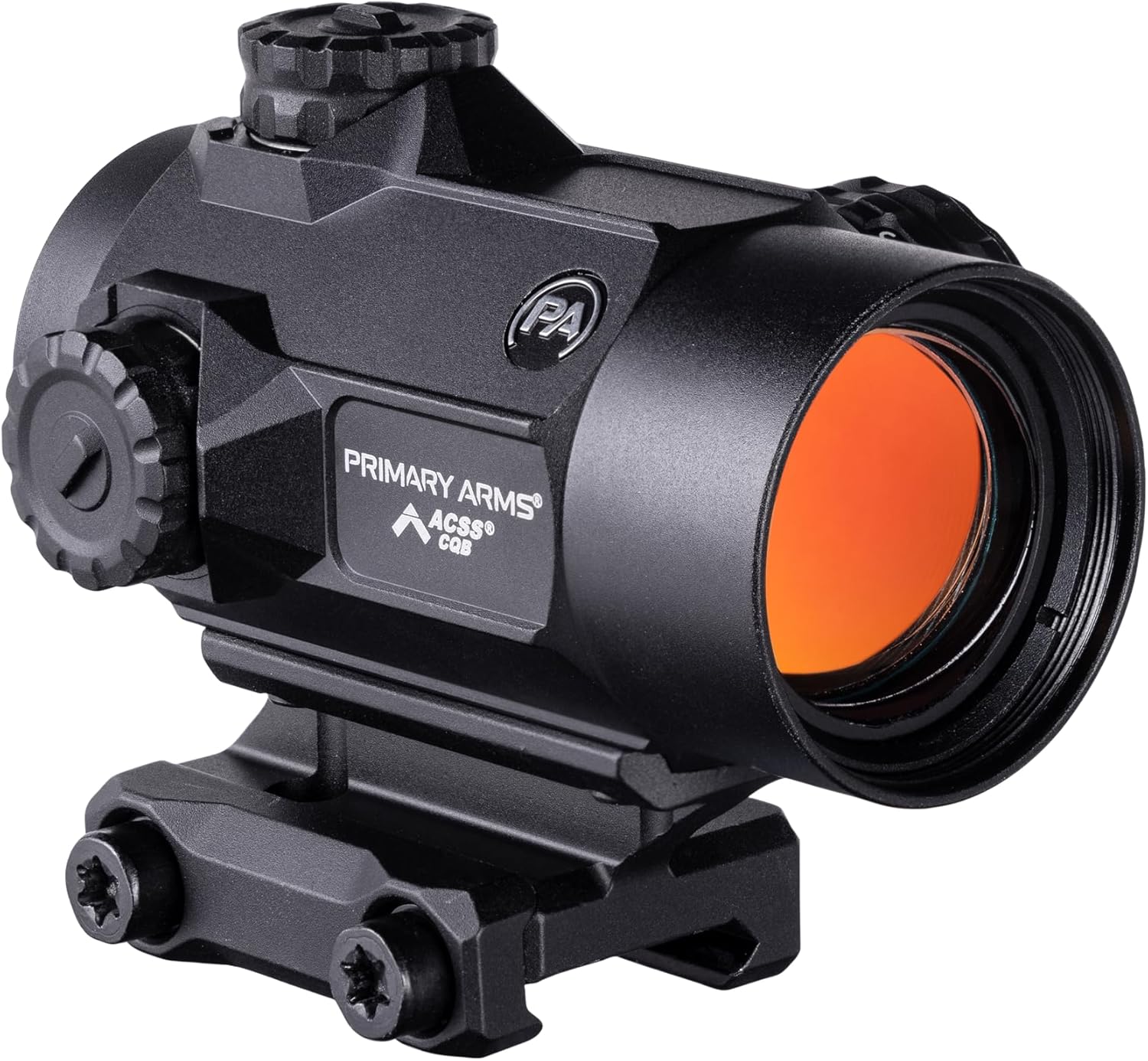
A larger window optic that excels in fast target acquisition for rimfire steel shooting.
Specs:
- 2 MOA dot
- 50,000-hour battery
- 25mm objective lens
- AutoLive motion sensing
Pros:
- Large field of view
- Crisp emitter with minimal bloom
- Strong brightness range
Cons:
- Bulkier footprint
- Slight tint under bright light
My hands-on notes:
The wider window is immediately noticeable. Parallax is minimal even at close distances. Co-witness depends on mount choice, but the optic sits slightly higher than micro dots.
What people say online:
Users love the wide window for competitions. Discussions highlight reliability and clarity as standout features.
Mounting clarity:
Micro footprint compatible with included mounts.
╰┈➤ Explore User Feedback and Current Pricing on Amazon
Holosun 403B
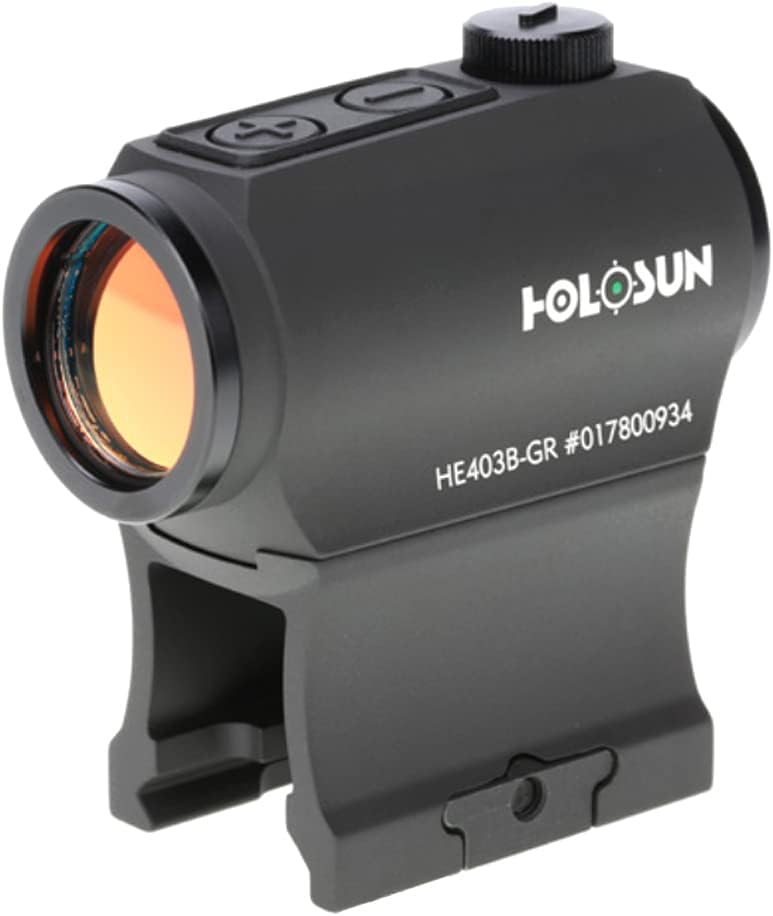
A feature-rich optic with long battery life and solid construction.
Specs:
- 2 MOA dot
- 50,000-hour battery
- Shake Awake technology
- Aluminum housing
Pros:
- Excellent battery efficiency
- Durable build quality
- Clean emitter
Cons:
- Slight green tint
- Button placement not ideal
My hands-on notes:
Emitter occlusion is minimal, and the dot remains crisp even in bright sunlight. Parallax is well controlled. Co-witness is easy with included riser.
What people say online:
Holosun has strong community support. Users frequently compare it favorably to higher-end optics.
Mounting clarity:
Includes low and high mounts.
╰┈➤ Explore User Feedback and Current Pricing on Amazon
Vortex SPARC
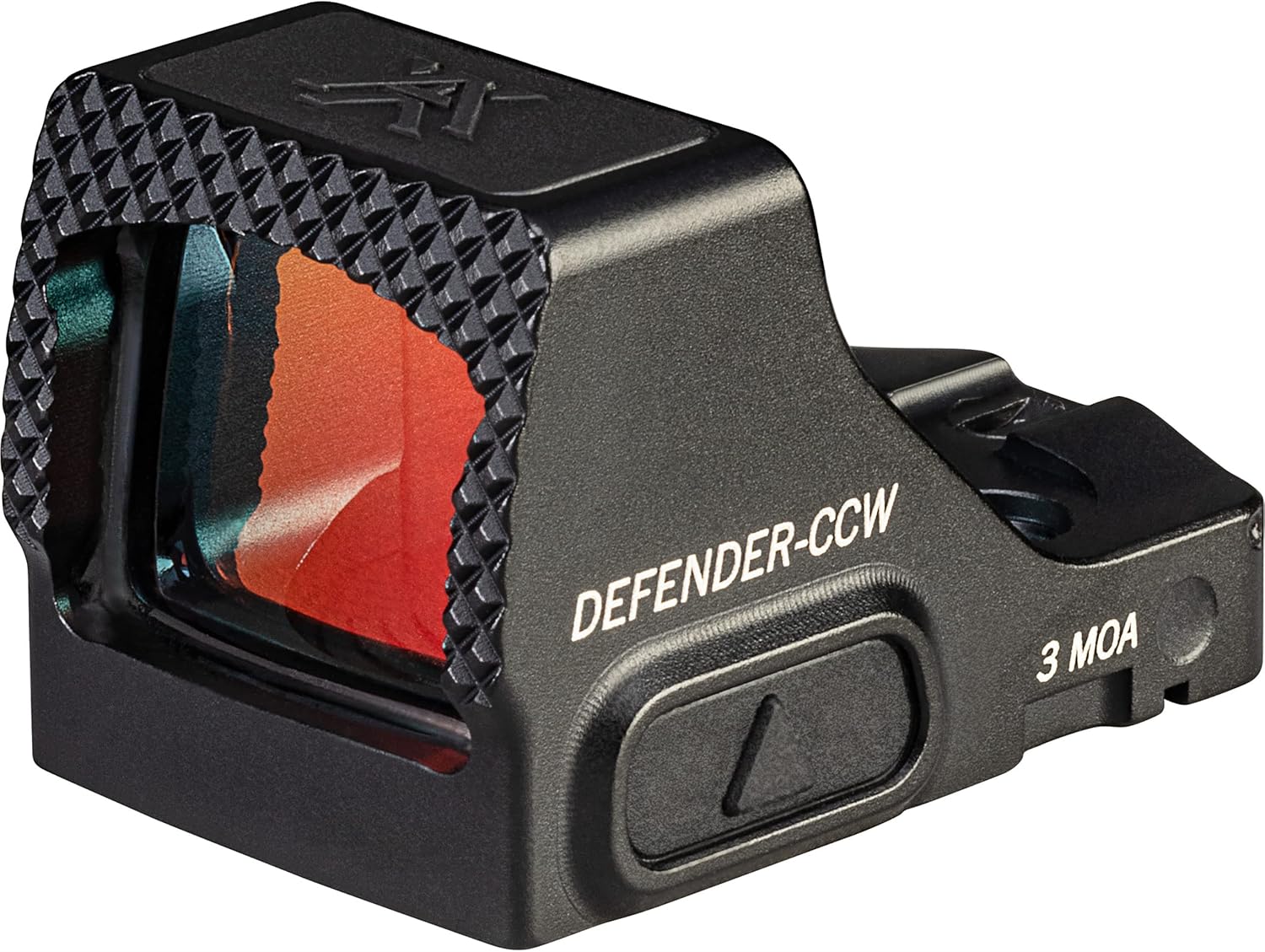
A slightly more premium Vortex option with improved ergonomics and glass.
Specs:
- 2 MOA dot
- Digital rear controls
- Multi-height mount system
- Night vision compatible
Pros:
- Rear-facing buttons are intuitive
- Clear glass with minimal distortion
- Durable housing
Cons:
- Slightly bulky
- Controls can be small with gloves
My hands-on notes:
The rear controls are easier to access than side buttons. Parallax is minimal across typical rimfire distances. Co-witness setup is flexible due to multiple mounts.
What people say online:
Users appreciate the ergonomics and reliability. Many consider it a step up from entry-level optics.
Mounting clarity:
Ships with multiple mount heights.
╰┈➤ Explore User Feedback and Current Pricing on Amazon
How I Tested / Evaluation Criteria
Parallax:
I tested each optic at 10, 25, and 50 yards to evaluate parallax shift. Rimfire rifles exaggerate close-range parallax, so optics that stayed consistent under 25 yards scored higher.
Co-witness / Deck Height:
Deck height affects cheek weld and sight alignment. I evaluated how each optic aligned with standard rimfire rails and whether additional risers were needed.
Durability:
Even though .22 LR has low recoil, I ran each optic through 1,000+ rounds. I also tested drop resistance and mount retention.
Battery:
Battery life matters for convenience. I evaluated both runtime and battery compartment design, especially ease of access.
Brightness Range:
From indoor dim lighting to bright outdoor sun, I tested visibility across conditions. Good optics maintain clarity without bloom.
Glass Quality:
Lens coatings, tint, and distortion were carefully observed. Budget optics often suffer here.
Controls Ergonomics:
Button feel and dial responsiveness were tested with and without gloves.
Mounting Ecosystem:
Compatibility with Picatinny rails and included mounts played a big role in usability.
How to Choose the Right Red Dot for This Gun
Choosing a red dot for a rimfire rifle isn’t just about price—it’s about matching the optic to how the rifle is actually used. Rimfire platforms are often lightweight and used for dynamic shooting, which means your optic needs to complement speed, not slow it down.
First, weight matters more than most people realize. A heavy optic throws off the balance of a .22 LR rifle, especially when shooting offhand. I always recommend staying under 6 ounces when possible unless you need a larger window.
Second, dot size plays a critical role. A 2 MOA dot offers better precision for small targets like squirrels or steel plates at 50+ yards. Larger dots (3–6 MOA) are faster but sacrifice precision.
Third, battery systems matter more than raw lifespan. Features like motion activation ensure your optic is always ready without draining power unnecessarily. On a rimfire rifle, you’re often shooting casually—so convenience matters.
Mounting is another key factor. Most rimfire rifles use simple Picatinny rails, but deck height still affects your cheek weld. An optic that sits too high can feel awkward, especially on lightweight stocks.
Glass clarity is often overlooked in budget optics. Tint and distortion become obvious when shooting in bright daylight or tracking moving targets. I prioritize optics with minimal tint and edge distortion.
Finally, durability still matters. Even though recoil is low, rimfire rifles see high round counts. Cheap optics tend to fail not from recoil—but from poor internal components.
FAQs
1. Do rimfire rifles need expensive red dots?
No, but cheap optics often have poor clarity and inconsistent brightness.
2. What dot size is best?
2 MOA is ideal for balancing speed and precision.
3. Is parallax important on rimfire?
Yes, especially under 25 yards where shift is more noticeable.
4. Can I use AR optics on rimfire rifles?
Yes, but weight and size should be considered.
5. How long do batteries last?
Most modern optics last 20,000–50,000 hours depending on usage.
Conclusion
Finding the Best Red Dot for Rimfire Rifle ultimately comes down to balancing clarity, weight, and reliability for the way you actually shoot. After testing all six optics, I’ve found that mid-range options like the Romeo5 and Holosun 403B offer the best overall value, while budget picks like the TRS-25 still hold their own for casual use.
Each optic here has proven itself on the range, and the right choice depends on whether you prioritize speed, precision, or simplicity. For most shooters, investing in a reliable, clear optic will dramatically improve the rimfire shooting experience.